
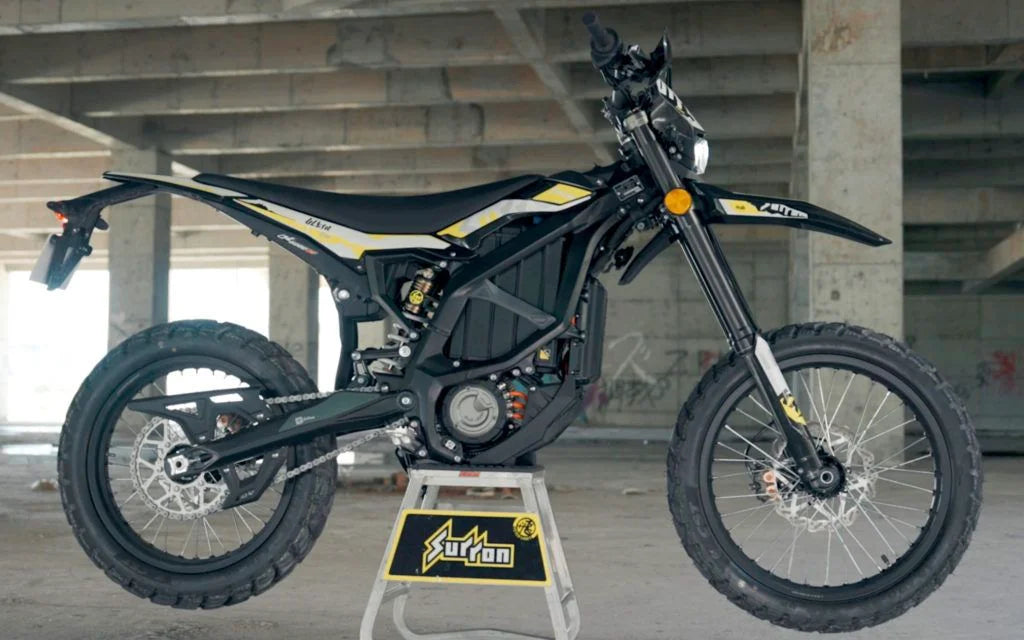
The Role of Battery Management Systems in High-Power E-Motos
As electric dirt bikes and high-performance e-motos continue to evolve, one of the most critical yet often overlooked components is the Battery Management System (BMS). Riders frequently search for terms like “what does a BMS do in electric dirt bikes,” “battery safety systems e-motos,” and “how to protect lithium batteries in off-road riding.”
While motors and controllers often get the spotlight, the BMS is the brain behind battery safety, efficiency, and performance. Without it, high-power electric dirt bikes would be unreliable—and potentially dangerous.
👉 Explore high-performance electric dirt bikes with advanced battery systems: SurRon Ultra Bee Electric Dirt Bike
SurRon Light Bee Electric Dirt Bike
In this guide, we’ll break down how battery management systems work, why they are essential for high-power e-motos, and how they directly impact performance, safety, and longevity.
What Is a Battery Management System (BMS)?
A Battery Management System (BMS) is an electronic system that monitors and controls a rechargeable battery pack.
- Protects battery cells from damage
- Optimizes performance and efficiency
- Ensures safe operation under all conditions
In high-power electric dirt bikes, the BMS is essential due to the intense demands placed on lithium-ion batteries.
Why High-Power E-Motos Need Advanced BMS
Electric dirt bikes operate under extreme conditions:
- Rapid acceleration and high current draw
- Heat buildup during aggressive riding
- Constant vibration and terrain impact
Without a robust BMS, these factors could quickly degrade or damage the battery.
Core Functions of a Battery Management System
1. Cell Voltage Monitoring
A BMS continuously monitors the voltage of each battery cell.
- Prevents overcharging
- Prevents over-discharging
This is critical for maintaining battery health and preventing failure.
2. Temperature Monitoring
Heat is one of the biggest threats to battery performance.
- Detects overheating conditions
- Triggers protective actions
Temperature control is essential in off-road environments.
3. Current Regulation
The BMS controls how much current flows in and out of the battery.
- Prevents excessive discharge during acceleration
- Protects against short circuits
This ensures consistent and safe power delivery.
4. Cell Balancing
Over time, battery cells can become unbalanced.
- Ensures equal charge across all cells
- Improves efficiency and lifespan
Balanced cells perform better and last longer.
How BMS Impacts Electric Dirt Bike Performance
The BMS doesn’t just protect—it actively influences performance.
- Optimizes power delivery
- Maintains consistent voltage output
- Prevents performance drops
A well-designed BMS allows riders to access maximum power safely.
Battery Safety: Preventing Catastrophic Failure
Lithium-ion batteries can be dangerous if not properly managed.
- Overcharging can cause thermal runaway
- Over-discharging can damage cells permanently
- Short circuits can lead to system failure
The BMS acts as a safeguard against all these risks.
Thermal Management and Heat Protection
High-power riding generates significant heat.
- BMS monitors temperature in real time
- Reduces power if overheating occurs
This prevents long-term damage and ensures safe operation.
Smart Power Limiting for Longevity
Sometimes, the BMS intentionally limits performance.
- Prevents overheating
- Protects battery health
While this may reduce peak power temporarily, it significantly extends battery lifespan.
Battery Life Optimization
A good BMS extends battery life through:
- Controlled charging cycles
- Balanced energy distribution
- Protection against extreme conditions
This reduces long-term ownership costs.
Charging Control and Efficiency
The BMS plays a key role during charging.
- Prevents overcharging
- Optimizes charging speed
- Ensures safe voltage levels
Efficient charging improves both convenience and battery health.
Real-World Riding Impact
On the trail, the BMS affects:
- Acceleration consistency
- Range stability
- Heat management during climbs
Riders may not see it—but they feel its impact.
Common BMS Limitations
- Power limiting under high heat
- Reduced performance at low battery levels
- Dependence on software calibration
These limitations are necessary for protection but can affect performance perception.
Integration with Motor Controllers
The BMS works closely with the motor controller.
- Shares real-time data
- Adjusts power output dynamically
This coordination ensures smooth and efficient performance.
Environmental Challenges in Off-Road Riding
Off-road environments are harsh:
- Dust and dirt
- Water exposure
- Vibration and shocks
BMS systems are designed to operate reliably under these conditions.
Key Takeaways (So Far)
- BMS is essential for safety and performance
- It protects against heat, overcharge, and damage
- It directly affects power delivery and efficiency
- Advanced systems improve battery lifespan
14. Advanced BMS Technologies in High-Power E-Motos
Modern high-performance electric dirt bikes are now equipped with increasingly advanced Battery Management Systems (BMS) that go far beyond basic protection.
Smart BMS Features
- Real-time data monitoring and analytics
- Adaptive power management based on riding conditions
- Cloud-based diagnostics (in premium systems)
These technologies allow riders and manufacturers to optimize performance and detect potential issues before they become serious problems.
15. Predictive Diagnostics and Fault Detection
Advanced BMS systems can identify potential failures early.
- Detect abnormal voltage behavior
- Identify overheating trends
- Flag cell imbalance issues
Predictive diagnostics reduce the risk of unexpected breakdowns during rides.
16. Role of BMS in High-Discharge Performance
High-power e-motos demand rapid energy output.
- BMS regulates high current bursts
- Prevents battery stress during acceleration
- Ensures stable voltage under load
Without proper regulation, high-discharge scenarios could damage battery cells.
17. Low Battery Behavior and Performance Limiting
As battery levels drop, the BMS adjusts performance.
- Reduces power output to protect cells
- Extends remaining range
This is why riders often notice reduced acceleration at low battery levels.
18. Fast Charging and BMS Protection
Fast charging introduces additional stress on batteries.
- BMS controls charging rates
- Prevents overheating during charging
- Balances cells during charge cycles
Efficient charging depends heavily on BMS precision.
19. BMS and Regenerative Braking Integration
Regenerative braking feeds energy back into the battery.
- BMS manages incoming current safely
- Prevents overvoltage conditions
This ensures energy recovery without damaging the battery pack.
20. Common BMS Failure Scenarios
While BMS systems are highly reliable, failures can occur.
- Sensor malfunctions
- Software glitches
- Physical damage from impact or water
Regular inspection and proper maintenance reduce these risks.
21. How to Protect Your BMS During Off-Road Riding
Riders can take steps to protect their battery systems.
- Avoid deep water submersion
- Inspect connectors regularly
- Keep firmware updated
- Avoid extreme temperature exposure
Proper care ensures long-term reliability.
22. BMS vs No-BMS Systems (Why It Matters)
Some low-quality electric bikes use minimal or poorly designed BMS systems.
- Higher risk of battery damage
- Inconsistent performance
- Safety concerns
A high-quality BMS is essential for any high-power electric dirt bike.
23. Future Innovations in Battery Management Systems
The next generation of BMS technology will include:
- AI-driven performance optimization
- Wireless diagnostics and updates
- Improved energy efficiency algorithms
These advancements will further enhance performance and safety.
24. Real-World Benefits for Riders
For riders, a strong BMS means:
- Consistent power delivery
- Improved battery lifespan
- Reduced risk of failure
- Better overall riding experience
It’s one of the most important yet invisible components of an e-moto.
25. Key Takeaways
- BMS is critical for battery safety and performance
- It regulates voltage, temperature, and current
- Advanced systems improve reliability and efficiency
- Software and diagnostics play a growing role
- Future innovations will further enhance capabilities
Final Verdict: Why BMS Is Essential in High-Power E-Motos
Battery Management Systems are the backbone of modern electric dirt bike performance. Without them, high-power lithium-ion batteries would be unsafe, inefficient, and unreliable.
A well-designed BMS allows riders to push their bikes harder while maintaining safety and longevity. It ensures that power delivery remains consistent, protects against damage, and enables the advanced performance that defines today’s electric dirt bikes.
Conclusion
The role of Battery Management Systems in high-power e-motos cannot be overstated. They are responsible for balancing performance, safety, and durability in one of the most demanding environments—off-road riding.
As electric dirt bike technology continues to evolve, BMS systems will become even smarter, more efficient, and more integrated with overall bike performance. Riders who understand the importance of BMS will be better equipped to maximize their bike’s potential and lifespan.
👉 Explore electric dirt bikes with advanced battery systems and performance optimization: SurRon Ultra Bee Electric Dirt Bike
SurRon Light Bee Electric Dirt Bike