
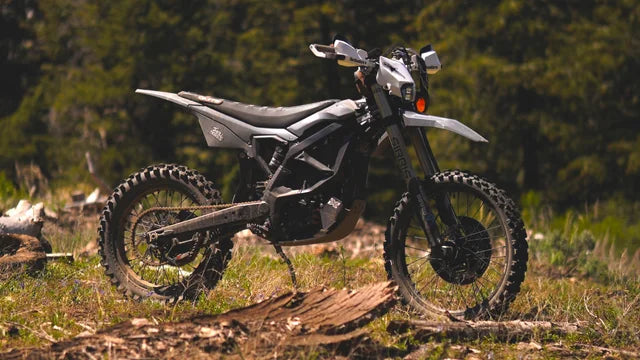
Can Electric Dirt Bikes Handle Enduro-Level Abuse?
As electric dirt bikes continue to evolve, one of the most searched and debated questions is: “Can electric dirt bikes handle enduro-level abuse?” Riders are increasingly looking for answers to queries like “electric dirt bike durability off-road,” “can e dirt bikes survive hard riding,” and “electric vs gas dirt bike reliability in extreme conditions.”
Enduro riding is one of the toughest forms of off-road motorcycling. It pushes machines to their limits with technical terrain, long-distance stress, extreme heat, mud, water crossings, and constant impacts.
👉 Explore durable electric dirt bikes built for aggressive riding: SurRon Ultra Bee Electric Dirt Bike
SurRon Light Bee Electric Dirt Bike
In this comprehensive guide, we’ll break down whether electric dirt bikes can truly handle enduro-level abuse, what components are most stressed, and how modern engineering is closing the gap with gas-powered machines.
What Is Enduro-Level Abuse?
Before evaluating electric dirt bikes, it’s important to understand what “enduro-level abuse” actually involves.
- Long-distance off-road riding (40+ miles)
- Technical terrain (rocks, roots, steep climbs)
- Frequent impacts and drops
- Extreme weather exposure (mud, water, heat)
- Continuous high-load riding
Enduro riding tests every component of a bike—engine (or motor), suspension, frame, and electronics.
Key Components Under Stress in Electric Dirt Bikes
Electric dirt bikes face unique challenges compared to gas bikes.
1. Electric Motor
- High torque output under load
- Heat generation during extended climbs
2. Battery Pack
- Continuous discharge under heavy load
- Temperature sensitivity
3. Controller (Electronics)
- Power regulation under stress
- Exposure to water and dust
4. Chassis and Suspension
- Absorbing impacts from rough terrain
- Maintaining stability and control
How Electric Motors Handle Extreme Off-Road Stress
Electric motors are surprisingly well-suited for enduro riding in some ways.
Advantages
- Fewer moving parts than gas engines
- No combustion-related wear
- Instant torque for technical terrain
Unlike internal combustion engines, electric motors don’t rely on complex mechanical systems like pistons, valves, and transmissions.
Limitations
- Heat buildup under sustained load
- Thermal throttling in extreme conditions
Modern cooling systems are helping reduce these limitations significantly.
Battery Durability in Enduro Conditions
The battery is one of the most critical—and vulnerable—components.
Challenges
- Heat buildup during long rides
- Energy drain under aggressive riding
- Sensitivity to extreme temperatures
Protection Systems
- Battery Management Systems (BMS)
- Thermal monitoring
- Overload protection
These systems prevent damage but may limit performance when pushed too hard.
Water, Mud, and Dust Resistance
Enduro riding often involves harsh environmental conditions.
- Water crossings
- Deep mud sections
- Dust-heavy trails
Electric dirt bikes are typically designed with:
- Sealed motors
- Protected wiring
- High IP-rated components
This makes them surprisingly resilient in wet and dirty environments.
Frame and Build Quality
Durability isn’t just about the motor—it’s about the entire bike.
- Reinforced frames for impact resistance
- High-quality suspension systems
- Durable swingarms and linkages
Premium electric dirt bikes are engineered specifically for aggressive off-road use.
Suspension Performance Under Abuse
Enduro riding puts enormous stress on suspension systems.
- Absorbing repeated impacts
- Maintaining traction on rough terrain
Modern electric dirt bikes often feature:
- Adjustable suspension
- High-performance forks and shocks
Thermal Management: The Biggest Challenge
Heat is the primary enemy of electric performance.
Why It Matters
- Reduces motor efficiency
- Limits power output
- Can damage components
Solutions
- Air cooling systems
- Advanced thermal sensors
- Software-based power limiting
Thermal management is critical for handling long, intense rides.
Real-World Enduro Performance of Electric Dirt Bikes
In real-world conditions, electric dirt bikes perform well—but with some limitations.
- Excellent in technical terrain
- Strong climbing ability
- Reduced fatigue for riders
However:
- Range limitations affect long races
- Heat can reduce performance over time
Electric vs Gas Dirt Bikes in Enduro Riding
Electric Dirt Bikes
- Instant torque
- Low maintenance
- Quiet operation
Gas Dirt Bikes
- Longer range
- Quick refueling
- Proven endurance reliability
Electric bikes excel in control and efficiency, while gas bikes still dominate in endurance.
Common Failure Points in Extreme Riding
- Overheating motors
- Battery depletion
- Controller stress
- Suspension wear
Understanding these helps riders prepare for demanding conditions.
Advantages of Electric Bikes in Enduro Conditions
- No stalling in technical terrain
- Better traction control
- Simpler drivetrain
- Reduced mechanical failure points
Key Takeaways (So Far)
- Electric dirt bikes can handle aggressive riding
- Thermal management is the biggest limitation
- Battery performance affects endurance
- Modern designs are improving durability significantly
14. How to Prevent Damage During Enduro-Level Riding
While electric dirt bikes are capable of handling aggressive riding, proper preparation is essential to prevent damage during extreme enduro conditions.
Best Practices
- Avoid prolonged full-throttle climbs to reduce heat buildup
- Use eco or mid-power modes when possible
- Monitor battery temperature during long rides
- Allow cooldown periods between intense sections
Smart riding techniques significantly extend the lifespan of key components.
15. Riding Techniques That Reduce Stress on Electric Bikes
Your riding style has a direct impact on how well your electric dirt bike handles abuse.
- Maintain smooth throttle input to prevent overheating
- Use momentum instead of brute force
- Pick clean lines to reduce suspension impact
- Balance power usage with terrain difficulty
Efficient riding isn’t just about speed—it’s about preserving performance over time.
16. Battery Management for Long Enduro Rides
Battery management is critical for endurance performance.
- Start rides with a fully charged battery
- Avoid deep discharges when possible
- Carry spare batteries for extended rides
- Plan routes based on range limits
Advanced planning is key for successful long-distance enduro riding.
17. Maintenance Tips for Extreme Conditions
Regular maintenance ensures reliability under harsh riding conditions.
- Inspect seals and connectors after muddy rides
- Clean cooling vents and airflow pathways
- Check suspension components regularly
- Tighten bolts and inspect frame integrity
Electric bikes require less maintenance than gas bikes—but they are not maintenance-free.
18. Upgrades That Improve Durability
Riders can enhance durability with targeted upgrades.
- Heavy-duty skid plates
- Upgraded suspension systems
- Reinforced tires for rough terrain
- Improved cooling components
These upgrades help electric dirt bikes withstand more aggressive riding.
19. The Role of Software in Protecting Components
Modern electric dirt bikes use intelligent software to prevent damage.
- Thermal protection systems reduce power when overheating
- Battery management systems prevent over-discharge
- Controller safeguards protect electrical components
While these systems may limit performance temporarily, they significantly improve long-term reliability.
20. Can Electric Dirt Bikes Be Used in Competitive Enduro?
Electric dirt bikes are increasingly being used in competitive environments.
- Ideal for short-format enduro races
- Strong performance in technical sections
- Limited by range in long events
As battery technology improves, their role in competitive enduro will expand.
21. Real-World Rider Feedback
Riders who push electric dirt bikes to the limit often report:
- Excellent performance in tight, technical terrain
- Reduced rider fatigue due to smoother power delivery
- Concerns about range and heat during extended rides
Overall, feedback is increasingly positive as technology improves.
22. Future Improvements in Durability
The next generation of electric dirt bikes will address current limitations.
- Higher-capacity batteries for longer range
- More efficient cooling systems
- Stronger, lighter materials
- AI-based performance optimization
These innovations will make electric bikes even more capable in extreme conditions.
23. Key Takeaways
- Electric dirt bikes can handle enduro-level abuse with proper use
- Heat and battery range remain the biggest limitations
- Modern engineering has greatly improved durability
- Rider technique plays a major role in performance and longevity
- Future advancements will continue to close the gap with gas bikes
Final Verdict: Can Electric Dirt Bikes Truly Handle Enduro-Level Abuse?
Yes—modern electric dirt bikes can handle enduro-level abuse, but with some caveats. They excel in technical terrain, provide unmatched torque control, and reduce mechanical complexity, making them highly capable machines for aggressive off-road riding.
However, they are not without limitations. Battery range and heat management remain key challenges, especially during long-distance or high-intensity riding sessions.
For most riders, electric dirt bikes are more than capable of handling demanding conditions—as long as rides are properly planned and managed.
Conclusion
Electric dirt bikes have evolved far beyond their early limitations. With advanced motor technology, improved battery systems, and intelligent software, they are now capable of handling serious off-road abuse.
While they may not yet fully replace gas bikes in extreme endurance racing, they are closing the gap rapidly—and in many situations, they already outperform traditional machines.
👉 Explore electric dirt bikes designed for aggressive off-road riding: SurRon Ultra Bee Electric Dirt Bike
SurRon Light Bee Electric Dirt Bike