
Is the 60V Electric Dirt Bike Standard Dead in 2026? Full Explanation
A few months ago, a review site dropped a headline that lit up every electric dirt bike forum on the internet: "the 60V standard is officially dead." The claim was blunt, a little dramatic, and — for thousands of riders who own or were about to buy a 60V machine — mildly panic-inducing. If you've spent the last few years hearing that 60V was the sweet spot for electric off-road bikes, and now you're seeing 72V and even 98V flagships dominate every "best of 2026" list, it's a fair question to ask: did you just buy into a dying standard?
Short answer: not exactly. Long answer: it's complicated, and understanding why requires actually looking at what voltage does, who benefits from more of it, and who doesn't need it at all. Let's dig into what's really happening to the 60V electric dirt bike in 2026.
Where the "60V Is Dead" Claim Actually Comes From
The loudest version of this argument points to a simple fact: the bikes topping 2026 performance rankings are no longer running 60V systems. New flagship electric dirt bikes are shipping with 72V and even 98V batteries, delivering peak power and torque figures that dwarf what a 60V machine can put out. One widely cited 98V flagship reportedly produces over 600 Nm of torque — numbers that used to belong exclusively to full-size gas motocross bikes, not lightweight electric off-roaders.
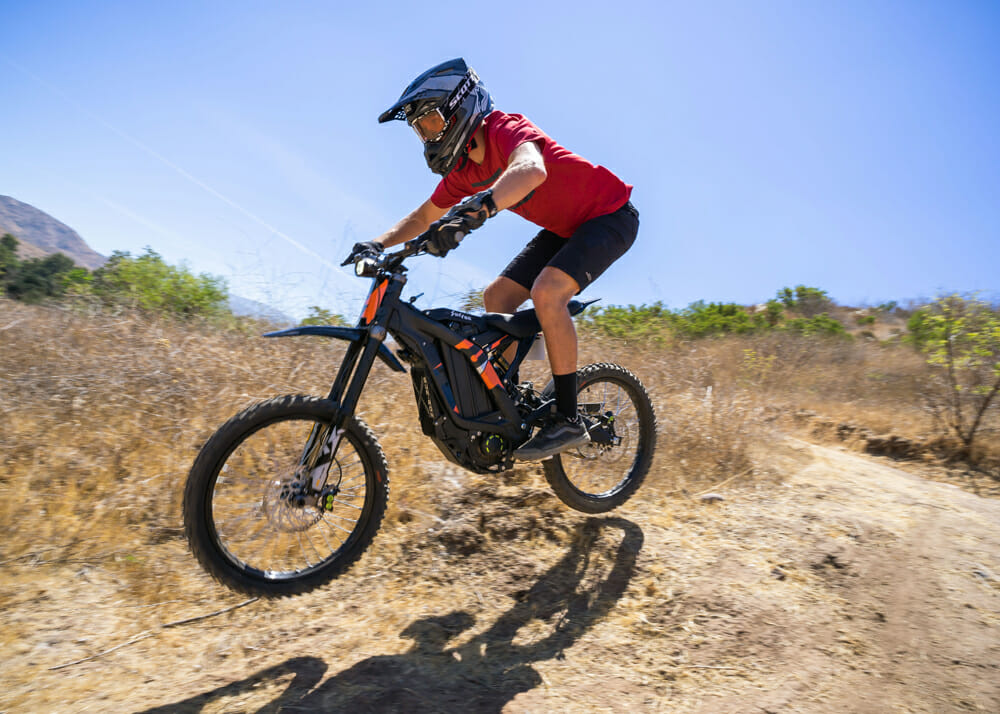
Even the bike that essentially built the entire lightweight electric dirt bike category made the jump. Its latest flagship trim — the 2026 Surron Light Bee X — moved to a 72V system for 2026, chasing the same higher-voltage trend as everyone else. When the bike that defined the 60V era stops defaulting to 60V on its top model, it's easy to see why people started writing obituaries for the standard.
A Quick Refresher: What Voltage Actually Does
Before declaring anything dead, it helps to understand what's actually being compared. Think of voltage as pressure and amperage as flow — together they determine power output, but neither one alone tells the whole story. A higher-voltage system can deliver the same wattage using less current, which means less heat buildup in the motor and controller. Less heat means less "voltage sag" — the power loss that happens as a battery drains or a motor works hard on a climb — and generally means the system stays efficient for longer under load.
That's the technical case for going higher voltage: cooler running temperatures, stronger sustained torque on climbs, and higher achievable top speeds without the system struggling to keep up. It's a real, measurable advantage — not just marketing spin.
The Case For: Why 60V Genuinely Looks Outdated
Put purely on a spec sheet, the argument against 60V is strong. Reviewers testing 2026 lineups side by side found that 72V and 98V machines run cooler at speed, hold their torque output more consistently as the battery discharges, and simply out-accelerate 60V bikes in stock form. In one comparison, a 60V flagship's stock peak power was roughly a third of what the new 72V and 98V competitors were producing — a gap wide enough that no amount of skillful riding closes it.
There's also a range argument. Because higher-voltage systems run more efficiently under hard acceleration, some riders report better real-world range per charge when riding aggressively, compared to a 60V system working harder (and hotter) to produce the same output. For riders who prioritize outright performance — track days, aggressive trail riding, or simply wanting the fastest bike in the group — the 72V/98V shift isn't hype. It's a genuine generational leap, the same way 48V ebikes gave way to 60V a few years earlier.
The Case Against: Why 60V Isn't Actually Going Anywhere
Here's where the "60V is dead" headline oversimplifies things. Voltage wars make for great clickbait, but they ignore three things that matter enormously to real-world riders: price, weight, and purpose.
1. Price Still Rules the Entry-Level Market
72V and 98V flagships come at flagship prices. Meanwhile, capable 60V electric dirt bikes remain available well under $1,500-$2,000, with respectable motors, real suspension, and dependable range for casual and moderate riders. For a huge segment of buyers — teenagers, weekend trail riders, or anyone buying their first electric dirt bike — a 60V machine is still the most sensible entry point by a wide margin.
2. Weight and Handling Advantages
Higher-voltage battery packs generally mean bigger, heavier battery assemblies to handle the increased power. That extra weight shows up on tight, technical single-track, where a lighter 60V bike can still out-maneuver a heavier high-voltage machine, even if it can't out-accelerate it on a straightaway. For riders who value agility and flickability over top-end speed, that weight difference is not a small thing.
3. The Aftermarket Ecosystem Isn't Disappearing Overnight
60V platforms have had years to build out massive aftermarket support — skid plates, suspension upgrades, replacement seats, and tires — plus a huge secondhand market. A brand-new 98V flagship might win every spec-sheet comparison, but it doesn't have five years of community-tested upgrades and cheap OEM parts behind it yet. That ecosystem advantage matters just as much as raw torque numbers for owners who plan to keep their bike running (and upgrading) for years.
60V vs 72V vs 98V: The Real-World Breakdown
- 60V systems — Best balance of affordability, weight, and manageable power. Ideal for beginners, moderate trail riders, and anyone prioritizing agility over outright speed. The 2025 Surron Light Bee X and the Yozma IN-10 Pro are two solid examples of this tier, with the deepest used and aftermarket market of any voltage class.
- 72V systems — The new mainstream performance tier, represented by machines like the 2026 Surron Light Bee X. Stronger torque, cooler running temperatures, and higher top speeds than 60V, at a moderate price premium. Increasingly considered the "sweet spot" for serious riders who still want a reasonably priced bike.
- 98V (and higher) systems — The current performance ceiling, led by bikes like the Altis Sigma. Torque figures that rival small gas motocross bikes, minimal voltage sag, and the fastest acceleration in the class — but at flagship pricing, with more weight and less mature aftermarket support.
Notice that none of these tiers is objectively "better" in every category — each one trades off differently between cost, weight, and raw output. That's the nuance that gets lost when a headline simply declares one voltage "dead."
A Brief History: How We Got to This Voltage War
To understand why this debate feels so heated, it helps to zoom out. Electric dirt bikes didn't start at 60V — they started much lower. Early models in the category ran on 36V and 48V systems, which were fine for casual riding but struggled on steep climbs and long sessions, often "sagging" noticeably as the battery drained. When 60V systems became mainstream a few years ago, they were treated exactly the way 72V and 98V are being treated now — as the bold new standard that made everything before it look underpowered.
That pattern is worth remembering, because it's repeating itself in real time. Just as 48V bikes didn't disappear when 60V took over — they simply became the budget and youth tier — the current shift to 72V and 98V is following the same arc. Higher voltage becomes the new performance benchmark, while the previous standard settles into a stable, well-supported mid-tier rather than vanishing outright.
Does Higher Voltage Mean More Maintenance and Risk?
One thing that rarely makes it into the flashy spec-sheet comparisons is what higher voltage means for long-term ownership. More voltage and more peak power generally mean the battery, controller, and motor are working closer to their limits more often, which can mean faster wear on high-drain components if the bike is ridden aggressively and often. It also raises the stakes on battery safety — buyers considering a 72V or 98V machine should specifically confirm the battery carries proper safety certification, such as UL 2849 for the electrical drive system or UL 2271 for the battery itself, since higher-voltage packs carry more stored energy and demand more rigorous engineering to manage heat and prevent failure.
60V systems, by comparison, tend to run with more thermal headroom relative to their components, which is part of why they've built such a strong reputation for reliability over the past few seasons. That reliability track record is a real, if less exciting, advantage over brand-new high-voltage platforms that haven't had years of real-world testing yet.
What the Sales Data Actually Suggests
Despite the "60V is dead" headlines dominating review sites, dealer inventory tells a slightly different story. Search any major electric dirt bike retailer in 2026 and 60V models still make up a significant share of total listings — often more than 72V and 98V combined once youth, entry-level, and mid-range trims are counted. Flagship 72V and 98V bikes generate the most buzz and the best benchmark numbers, but volume sales still lean heavily toward accessible, lower-voltage machines, particularly among first-time buyers and families shopping for a teenager's first bike.
That gap between "what gets reviewed" and "what actually sells" is a useful reality check. Review sites are naturally drawn to the fastest, most powerful new release of the year — that's what generates clicks and rankings. But the average rider shopping with a real budget, a garage instead of a race team, and a family to consider is still buying 60V in large numbers, and will likely continue to for years.
Who Should Still Buy a 60V Electric Dirt Bike in 2026
A 60V bike still makes complete sense if you fall into any of these categories:
- You're buying your first electric dirt bike and want a manageable power curve while you build skill and confidence — a compact, beginner-friendly option like the Viper S is a good starting point.
- Budget is a real constraint, and you'd rather spend the difference on protective gear, maintenance, or accessories than on extra voltage you may not fully use.
- You ride mostly technical, tight trails where light weight and agility matter more than top-end speed.
- You want access to the biggest possible pool of aftermarket parts, tuning options, and community knowledge.
Who Should Skip 60V and Go Higher
On the other hand, it's worth stepping up to 72V or beyond if:
- You're an experienced rider who has genuinely outgrown a 60V bike's power ceiling.
- You ride aggressively enough that voltage sag and heat buildup are a real limiting factor on longer, harder sessions.
- You want the strongest possible hill-climbing performance for steep or technical terrain.
- Top speed and outright acceleration matter more to you than weight, price, or aftermarket maturity.
Getting the Most Out of a 60V Bike Instead of Upgrading Voltage
Not everyone who feels the pull of the "72V is better" narrative actually needs to sell their bike and buy a new one. A lot of what riders love about higher-voltage machines — stronger braking confidence, better cooling, more predictable throttle response — can be improved on an existing 60V bike without touching the battery system at all. Upgraded brake pads and lines, better cooling fans or heat sinks for the controller, and simply riding within the bike's comfort zone on long climbs can close a surprising amount of the gap in day-to-day riding.
For riders who do want more aggressive upgrades, aftermarket controllers and performance tunes exist for most popular 60V platforms and can meaningfully boost torque and top speed without the cost or weight penalty of jumping to a new voltage class entirely — even something as simple as swapping to a grippier off-road tire can noticeably improve how a 60V bike puts its power down. Pairing any performance upgrade with proper protective gear is non-negotiable, though — a faster bike means less margin for error, and a browse through AmpedSportsman's riding gear selection is a sensible step before pushing an upgraded bike harder on the trail.
So Where Is the Market Actually Heading?
The honest trend isn't "60V is dead" — it's "60V is no longer the ceiling." The performance benchmark has clearly shifted upward, and manufacturers chasing flagship bragging rights are racing toward 72V and 98V systems the same way the industry moved from 48V to 60V a few years back. But just like 48V ebikes didn't vanish once 60V became popular, 60V bikes aren't disappearing either — they're simply sliding into the mid-tier, entry-level, and budget-conscious segment, which is exactly where 48V machines still live today.
In other words, the 60V standard isn't dying. It's aging into a different role: no longer the top of the mountain, but still one of the most practical, well-supported, and rider-friendly tiers in the entire electric dirt bike market.
Frequently Asked Questions
Is a 60V electric dirt bike still worth buying in 2026?
Yes, especially for beginners, budget-conscious riders, and anyone who values light weight and agility over maximum top speed. It remains one of the best-supported and most affordable performance tiers on the market.
How much faster is a 72V bike than a 60V bike?
Real-world tests generally show 72V systems producing noticeably higher top speeds and stronger sustained torque, though the exact gap depends heavily on the specific motor, controller, and battery capacity of each bike.
Will 60V electric dirt bikes stop being made?
Unlikely in the near term. As higher-voltage systems take over the flagship tier, 60V is expected to remain the standard for entry-level and mid-range models, much like 48V bikes still exist alongside 60V today.
Is it worth upgrading an existing 60V bike instead of buying a higher-voltage model?
For many riders, yes — controller and battery upgrades can meaningfully boost a 60V bike's performance at a fraction of the cost of buying a new 72V or 98V flagship, especially on platforms with strong aftermarket support.
Final Verdict
Is the 60V electric dirt bike standard dead in 2026? Not really — it's been dethroned as the performance benchmark, but it's far from obsolete. The 72V and 98V machines making headlines are genuinely impressive, and if raw performance is your top priority, that's where the industry is heading. But for the majority of riders — beginners, budget buyers, and anyone who rides technical terrain where a lighter bike shines — a well-built 60V machine is still a smart, capable choice, backed by years of aftermarket development and a lower price of entry.
The real story isn't decline, it's repositioning. 60V has moved from "the standard" to "the smart, dependable middle ground," the same journey 48V made before it. Manufacturers know this too — that's exactly why so many 2026 lineups still sell far more 60V units than their flagship 72V or 98V trims, even while the marketing spotlight sits on the higher-voltage bikes. If a headline tells you a whole voltage class is "dead," it's worth remembering that headlines are optimized for clicks, while your riding style, budget, and terrain are what should actually decide your next bike.
Whichever voltage you land on, make sure your protective gear keeps up with your bike's power. You can browse the full electric dirt bike collection at AmpedSportsman to compare 60V, 72V, and 98V models side by side before your next ride.