
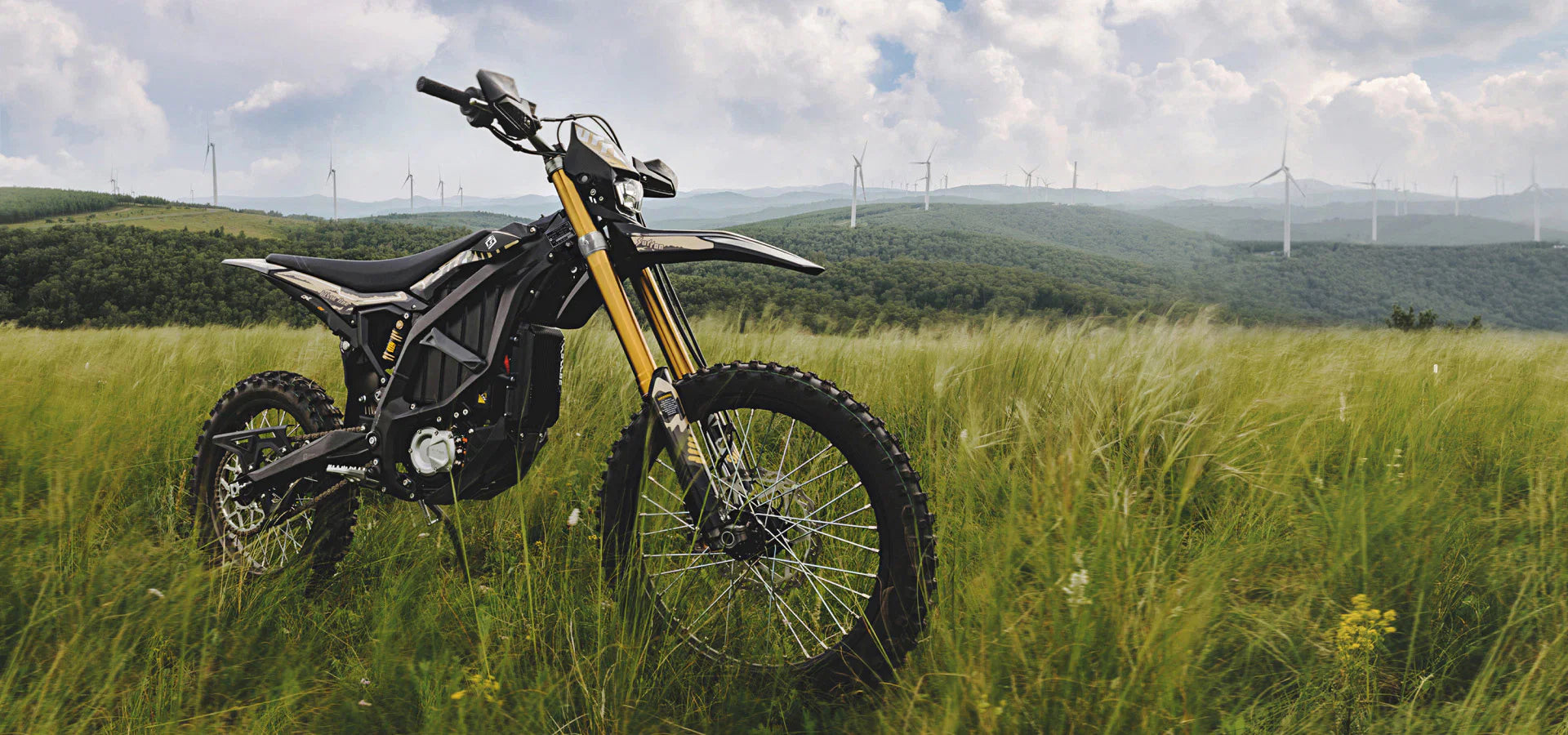
Electric Dirt Bike Climbing Power: How They Perform on Steep Hills
One of the biggest questions riders ask in 2026 is: Can electric dirt bikes handle steep hills as well as gas-powered bikes?
👉 Explore powerful climbing-ready bikes: SurRon Ultra Bee Electric Dirt Bike
SurRon Light Bee Electric Dirt Bike
In this guide, we’ll break down how electric dirt bikes perform on steep terrain, what affects climbing power, and how you can optimize your setup for maximum uphill performance.
Why Climbing Power Matters in Off-Road Riding
Hill climbing is one of the most demanding aspects of off-road riding. It requires:
- Strong torque
- Consistent power delivery
- Precise throttle control
- Good traction
A bike that struggles on hills limits where you can ride. That’s why climbing performance is a key factor when choosing an electric dirt bike.
Electric Dirt Bikes vs Gas Bikes on Hills
To understand climbing performance, we need to compare electric and gas dirt bikes.
Electric Dirt Bikes:
- Instant torque delivery
- Smooth and consistent power
- No need for gear shifting
Gas Dirt Bikes:
- Power builds with RPM
- Requires clutch and gear control
- Less consistent at low speeds
In many cases, electric dirt bikes actually perform better on steep hills due to their instant torque.
1. Instant Torque: The Biggest Advantage
Electric motors deliver torque instantly, which is critical for climbing steep terrain.
This means:
- No delay in power delivery
- Immediate response when needed
- Better traction control
On steep hills, this instant power can make the difference between climbing smoothly and getting stuck.
2. Low-Speed Control and Stability
Climbing steep hills often requires slow, controlled movement rather than speed.
Electric dirt bikes excel here because:
- They provide smooth throttle response
- They don’t stall like gas engines
- They maintain consistent power at low speeds
This makes them easier to control in technical climbs.
3. Gear Ratio and Sprocket Impact
Even though electric bikes don’t have gears, gear ratio still matters.
A larger rear sprocket:
- Increases torque
- Improves climbing ability
- Reduces motor strain
Riders focused on hill climbing often upgrade their sprocket for better performance.
4. Motor Power and Output
Motor power plays a huge role in climbing ability.
- Higher wattage = more climbing power
- Better motors maintain performance under load
High-performance models are designed specifically to handle steep terrain.
5. Battery Performance Under Load
Climbing steep hills puts heavy demand on the battery.
Key factors include:
- Battery voltage
- Current output
- Thermal stability
A strong battery ensures consistent power during long climbs.
6. Weight and Its Effect on Climbing
Weight plays a major role in uphill performance.
- Lighter bikes climb easier
- Heavier bikes require more power
Electric dirt bikes are designed to balance battery weight with performance.
7. Traction and Tire Grip
Even with strong torque, traction is critical.
- Proper tires improve grip
- Suspension affects contact with ground
- Throttle control prevents wheel spin
Without traction, power cannot be effectively used.
8. Throttle Control and Riding Technique
Rider skill is just as important as bike performance.
Effective climbing techniques include:
- Smooth throttle input
- Maintaining momentum
- Proper body positioning
Electric bikes make this easier due to their predictable power delivery.
9. Real-World Hill Climbing Performance
In real-world conditions, electric dirt bikes perform extremely well on:
- Rocky terrain
- Steep trails
- Loose surfaces
Their ability to deliver controlled torque gives them a strong advantage in technical climbs.
10. Limitations of Electric Dirt Bikes on Hills
Despite their advantages, some limitations exist:
- Battery drain during long climbs
- Heat buildup under heavy load
- Reduced performance at low battery levels
These factors can impact extended uphill riding.
11. Controller Tuning for Climbing
Controller tuning can significantly improve climbing performance.
- Increase torque output
- Adjust throttle response
- Optimize power delivery
A properly tuned controller makes a noticeable difference on steep hills.
12. Suspension Setup for Hills
Suspension affects how well your bike handles uneven terrain.
- Proper tuning improves traction
- Reduces bounce on rough surfaces
- Enhances control during climbs
13. Why Electric Bikes Excel in Technical Climbs
Technical climbs require precision, not just power.
Electric dirt bikes excel because:
- They deliver smooth, controlled torque
- They don’t stall
- They allow precise throttle control
This makes them ideal for challenging off-road terrain.
14. Advanced Hill Climbing Setups
To maximize climbing power on steep hills, riders often go beyond stock setups and make targeted upgrades. These adjustments can significantly improve torque delivery, traction, and overall uphill performance.
Popular climbing-focused upgrades include:
- Larger rear sprockets for increased torque
- High-performance controllers for better power output
- Upgraded batteries for sustained energy delivery
- Off-road tires designed for grip
These changes allow electric dirt bikes to handle more extreme terrain with ease.
15. Best Gear Ratio for Hill Climbing
Gear ratio plays a critical role in climbing efficiency. Even though electric bikes don’t use traditional gears, sprocket size determines how power is delivered to the wheel.
- Larger rear sprocket = more torque, slower top speed
- Smaller rear sprocket = higher speed, less climbing power
For steep hills, most riders prefer torque-focused gearing to maintain control and prevent motor strain.
16. Battery Upgrades for Better Climbing Performance
A high-performance battery can dramatically improve uphill capability.
Benefits of upgrading your battery include:
- Higher voltage for stronger power output
- Better current delivery under load
- Reduced voltage sag during climbs
This ensures consistent performance even on long or steep inclines.
17. Heat Management on Steep Hills
Climbing generates heat, especially in the motor and controller.
Effective heat management is essential to maintain performance:
- Avoid prolonged full-throttle climbs
- Allow cooling periods between runs
- Use upgraded cooling systems if needed
Overheating can reduce power and impact long-term reliability.
18. Riding Techniques for Steep Terrain
Even with the best setup, technique plays a major role in successful hill climbing.
Key techniques include:
- Lean forward to maintain front wheel contact
- Apply smooth, steady throttle
- Maintain momentum without sudden stops
- Choose the right line before climbing
Electric dirt bikes make these techniques easier due to their smooth power delivery.
19. Comparing Entry-Level vs High-Performance Models
Not all electric dirt bikes perform the same on hills.
Entry-Level Models:
- Lower power output
- Limited climbing ability on extreme terrain
- Best for light trails
High-Performance Models:
- Stronger motors
- Better torque delivery
- Capable of handling steep and technical climbs
Choosing the right bike is essential for serious off-road riding.
👉 Explore high-performance climbing bikes: SurRon Ultra Bee Electric Dirt Bike
SurRon Light Bee Electric Dirt Bike
20. Real Rider Feedback on Hill Climbing
Riders consistently report that electric dirt bikes feel more capable on hills than expected.
Common feedback includes:
- “The instant torque makes climbs effortless”
- “Much easier to control than gas bikes”
- “Perfect for technical terrain”
This real-world feedback highlights the practical advantages of electric bikes.
21. Long Hill Climbs vs Short Technical Climbs
Different types of climbs require different performance characteristics.
Short Technical Climbs:
- Electric bikes excel
- Torque and control are key
Long Continuous Climbs:
- Battery drain becomes a factor
- Heat buildup can affect performance
Understanding these differences helps riders prepare better.
22. Environmental Conditions and Climbing Performance
Terrain and weather conditions also impact climbing ability.
- Loose dirt reduces traction
- Wet surfaces increase difficulty
- Rocky terrain requires precise control
Electric bikes handle these conditions well due to controlled power delivery.
23. Why Electric Dirt Bikes Are Ideal for Trail Riders
For trail riders, climbing performance is crucial.
Electric dirt bikes offer:
- Quiet operation for natural environments
- Strong climbing ability
- Low maintenance
These features make them perfect for off-road exploration.
24. Key Advantages of Electric Dirt Bikes on Hills
- Instant torque for immediate power
- Smooth throttle control for precision
- No stalling during climbs
- Better control in technical terrain
- Lower maintenance compared to gas bikes
25. Final Verdict: How Well Do They Climb?
Electric dirt bikes perform exceptionally well on steep hills.
- They often outperform gas bikes in technical climbs
- They provide better control and stability
- They are easier to ride for beginners and experts alike
However, battery limitations and heat management still play a role in long or extreme climbs.
Key Takeaways
- Electric dirt bikes excel in hill climbing due to instant torque
- Gear ratio and sprocket size significantly affect performance
- Battery and controller upgrades improve climbing ability
- Riding technique is crucial for steep terrain
- Electric bikes dominate technical climbs but face limits in long ascents
Conclusion
Electric dirt bikes have proven themselves as powerful and capable machines when it comes to climbing steep hills. Their instant torque, smooth power delivery, and precise control give them a significant advantage over traditional gas-powered bikes in technical terrain.
While challenges like battery drain and heat buildup still exist, advancements in technology are rapidly improving their performance. With the right setup and riding technique, electric dirt bikes can handle even the most demanding uphill conditions.
For riders looking to explore steep trails, rocky climbs, and challenging off-road terrain, electric dirt bikes are not just an alternative—they are often the better choice.
👉 Explore top climbing-ready electric dirt bikes: SurRon Ultra Bee Electric Dirt Bike
SurRon Light Bee Electric Dirt Bike