
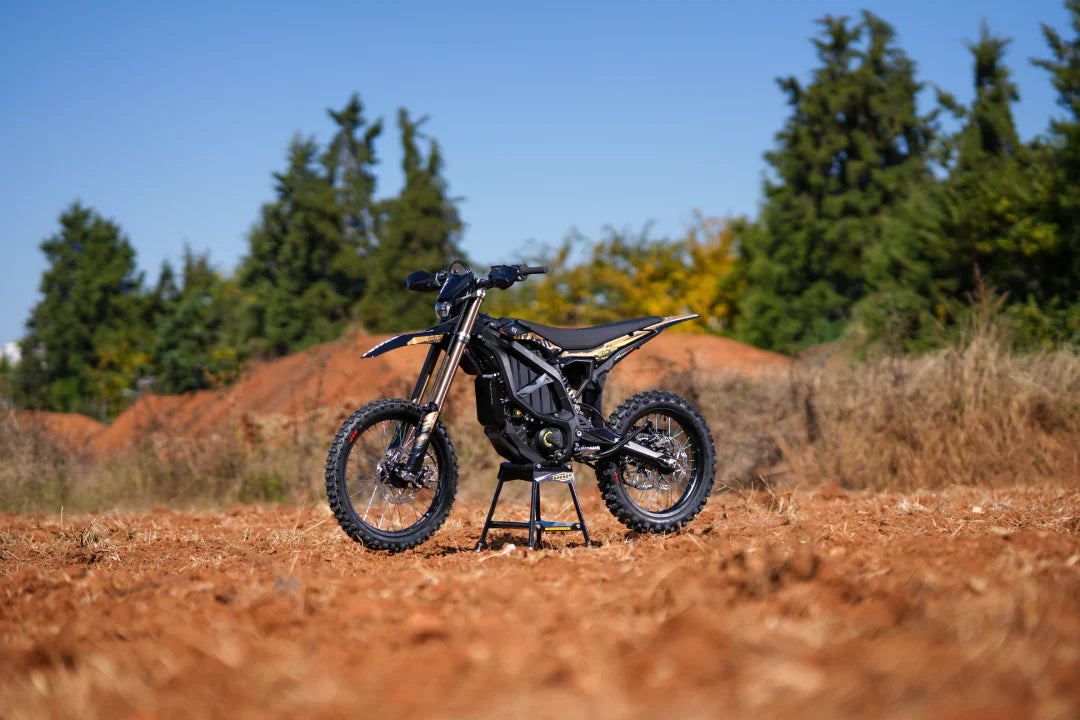
Can Electric Dirt Bikes Compete in Professional Racing Circuits in 2026?
Electric dirt bikes have evolved rapidly over the past few years, and in 2026, they are no longer seen as just alternatives to gas-powered machines. Instead, they are becoming serious contenders in professional racing circuits. With increasing interest in electric motocross racing, high-performance electric dirt bikes, and zero-emission competition, the question is no longer “if”—but “how soon.”
👉 Explore race-ready electric bikes: SurRon Ultra Bee Electric Dirt Bike
SurRon Light Bee Electric Dirt Bike
This article breaks down whether electric dirt bikes can truly compete at the highest level, analyzing performance, limitations, and the future of electric racing.
The Rise of Electric Dirt Bike Racing
Electric racing is gaining momentum worldwide. Dedicated electric motocross events and mixed-category competitions are becoming more common, pushing manufacturers to innovate faster than ever.
Key reasons behind this rise include:
- Environmental regulations
- Advancements in battery technology
- Growing demand for quieter racing
- Lower maintenance requirements
Electric dirt bikes are no longer experimental—they are entering mainstream competition.
Performance Comparison: Electric vs Gas Dirt Bikes
To understand whether electric dirt bikes can compete, we need to compare them with traditional gas-powered bikes.
Electric Dirt Bikes:
- Instant torque delivery
- Smooth power output
- Minimal maintenance
- Quiet operation
Gas Dirt Bikes:
- Higher sustained top speeds
- Longer refueling range
- Established racing dominance
- Manual gear control
While gas bikes still dominate professional circuits, electric bikes are closing the gap rapidly.
1. Instant Torque Advantage
One of the biggest strengths of electric dirt bikes is instant torque. Unlike gas engines that require RPM buildup, electric motors deliver full torque immediately.
This results in:
- Faster acceleration out of corners
- Better control in technical sections
- Improved traction on challenging terrain
In short-track racing or tight circuits, this can be a major advantage.
2. Acceleration vs Top Speed
Electric dirt bikes excel in acceleration but still face challenges in top-end speed compared to gas bikes.
- Electric: faster 0–60 acceleration
- Gas: higher sustained top speeds
However, improvements in controller tuning and battery output are rapidly increasing electric top speeds.
3. Weight Distribution and Handling
Electric dirt bikes typically have different weight distribution due to battery placement.
Advantages include:
- Lower center of gravity
- Better stability
- Smoother handling
This can improve cornering performance, especially in motocross tracks.
4. Maintenance Advantage in Racing
One of the biggest benefits of electric dirt bikes is reduced maintenance.
- No oil changes
- Fewer moving parts
- Lower mechanical failure risk
For racing teams, this means:
- Lower operating costs
- Less downtime between races
- More consistent performance
5. Noise Advantage and Track Accessibility
Electric dirt bikes are significantly quieter than gas bikes.
This opens up new opportunities:
- Racing in noise-restricted areas
- Urban or indoor racing circuits
- Extended training hours
Noise reduction is a major factor in the growth of electric racing.
6. Battery Limitations in Racing
Despite their advantages, electric dirt bikes still face one major limitation: battery capacity.
- Limited race duration
- Long charging times
- Performance drop as battery drains
These factors make endurance racing more challenging for electric bikes.
7. Charging vs Refueling
Gas bikes can refuel in seconds, while electric bikes require charging or battery swapping.
However, solutions are emerging:
- Fast charging systems
- Swappable battery technology
- Race-specific battery strategies
These innovations are helping electric bikes compete more effectively.
8. Heat Management Challenges
High-performance racing generates significant heat in electric systems.
- Motor heating
- Battery temperature rise
- Controller stress
Advanced cooling systems are required to maintain performance during races.
9. Professional Racing Adoption
Electric dirt bikes are already entering professional racing environments.
Some racing formats now include:
- Electric-only competitions
- Mixed-category races
- Exhibition electric classes
This gradual adoption is paving the way for full integration.
10. Cost Considerations for Racing Teams
Electric dirt bikes can be more cost-effective over time.
- Lower maintenance costs
- Reduced fuel expenses
- Fewer mechanical failures
However, initial investment can be higher due to battery and technology costs.
11. Rider Experience in Racing
Riding an electric dirt bike in a race feels different:
- No gear shifting
- Smoother power delivery
- More focus on control
Some riders prefer this simplicity, while others miss the traditional feel of gas bikes.
12. Environmental Impact in Racing
Electric dirt bikes offer a major environmental advantage:
- Zero emissions during operation
- Reduced noise pollution
- Lower overall environmental footprint
As regulations tighten, this could become a key factor in racing adoption.
13. Current Limitations Holding Electric Bikes Back
Despite rapid progress, some challenges remain:
- Battery range limitations
- Charging infrastructure
- Thermal management issues
- Limited racing history
These factors currently prevent full dominance in professional circuits.
14. Future of Electric Dirt Bike Racing
The future of electric dirt bike racing is evolving rapidly. With continuous improvements in battery technology, motor efficiency, and controller tuning, electric bikes are becoming more competitive every year.
Key trends shaping the future include:
- Higher-capacity batteries with faster charging
- Lightweight materials reducing overall bike weight
- Advanced cooling systems for sustained performance
- AI-based performance tuning
These innovations are closing the gap between electric and gas-powered bikes.
15. Can Electric Bikes Replace Gas Bikes in Racing?
This is one of the biggest questions in the industry. While electric bikes are improving rapidly, complete replacement of gas bikes will take time.
Short-term outlook:
- Electric bikes will dominate specific race categories
- Mixed racing formats will become more common
Long-term outlook:
- Electric bikes could become the standard
- Regulations may favor zero-emission racing
The shift is already happening—it’s just a matter of time.
16. Racing Strategy Differences
Electric dirt bike racing requires a different strategy compared to gas bikes.
Electric Racing Strategy:
- Energy management is critical
- Smooth riding improves efficiency
- Battery conservation affects race outcome
Gas Racing Strategy:
- Fuel management is less restrictive
- Consistent performance throughout race
- More aggressive riding styles
This difference creates a unique racing dynamic.
17. Battery Technology Advancements
Battery innovation is the key factor that will determine how competitive electric dirt bikes become.
Recent advancements include:
- Higher energy density batteries
- Faster charging capabilities
- Improved thermal stability
These improvements are directly addressing the biggest limitations of electric racing.
18. Role of Controller Tuning in Racing
Controller tuning plays a massive role in racing performance.
- Optimizes power delivery
- Improves acceleration and control
- Manages energy consumption
In competitive environments, fine-tuned controllers can provide a significant advantage.
👉 Explore race-capable platform: SurRon Ultra Bee Electric Dirt Bike
19. Lightweight Design and Performance
Weight is a critical factor in racing. Electric dirt bikes are becoming lighter due to:
- Advanced frame materials
- Compact battery designs
- Efficient motor systems
Reduced weight improves:
- Acceleration
- Handling
- Overall race performance
20. Real-World Racing Performance
In real racing scenarios, electric dirt bikes perform exceptionally well in:
- Short-track races
- Technical circuits
- Urban racing environments
However, endurance racing still presents challenges due to battery limitations.
21. Rider Adaptation to Electric Racing
Professional riders are gradually adapting to electric bikes.
Key adjustments include:
- Learning throttle control without gears
- Adapting to instant torque delivery
- Managing energy consumption
Once adapted, many riders appreciate the precision and responsiveness of electric bikes.
22. Infrastructure Development for Racing
For electric bikes to fully compete, infrastructure must evolve.
- Fast-charging stations at tracks
- Battery swapping systems
- Dedicated electric racing support
These developments are already underway in many regions.
23. Sponsorship and Industry Support
Major brands and sponsors are investing in electric racing.
- Increased funding for development
- More exposure in professional events
- Growing market demand
This support is accelerating innovation and adoption.
24. Key Advantages of Electric Dirt Bikes in Racing
- Instant torque for faster acceleration
- Lower maintenance requirements
- Quiet operation enabling more track access
- Environmentally friendly performance
25. Final Verdict: Can They Compete?
Yes—electric dirt bikes can compete in professional racing circuits, but with certain limitations.
- They excel in short and technical races
- They struggle in long endurance formats
- They are rapidly improving every year
The gap between electric and gas bikes is shrinking fast.
Key Takeaways
- Electric dirt bikes offer instant torque and strong acceleration
- Battery limitations are the main challenge in racing
- Technology advancements are improving competitiveness
- Electric racing is growing rapidly worldwide
- Future racing circuits will likely include more electric categories
Conclusion
Electric dirt bikes have already proven that they can compete in professional racing environments, especially in short-track and technical circuits. While they still face challenges such as battery range and charging limitations, ongoing technological advancements are rapidly overcoming these barriers.
The combination of instant torque, low maintenance, and environmental benefits makes electric bikes a strong contender for the future of racing. As infrastructure improves and battery technology evolves, electric dirt bikes will become even more competitive, potentially reshaping the entire racing landscape.
For now, electric bikes are not replacing gas-powered machines entirely—but they are no longer outsiders. They are competitors, innovators, and a clear glimpse into the future of professional dirt bike racing.
👉 Explore race-ready electric dirt bikes: SurRon Ultra Bee Electric Dirt Bike
SurRon Light Bee Electric Dirt Bike