
Why Cities Are Starting to Regulate Electric Dirt Bikes Differently Than Gas
Electric dirt bikes are no longer flying under the radar. As their popularity surges in urban areas, cities around the world are beginning to regulate electric dirt bikes very differently than traditional gas-powered dirt bikes. What started as a quiet alternative for backyard riders has quickly turned into a legal gray area that lawmakers, city planners, and riders are now forced to confront.
From noise ordinances and emissions laws to trail access and street legality, electric dirt bikes are reshaping how municipalities think about off-road vehicles. This shift is creating new opportunities for riders—but also new restrictions that didn’t exist before.
In this in-depth guide, we break down why cities are regulating electric dirt bikes differently than gas bikes, what rules are emerging, and what riders should expect next.
The Core Difference: Electric vs Gas Dirt Bikes in Urban Environments
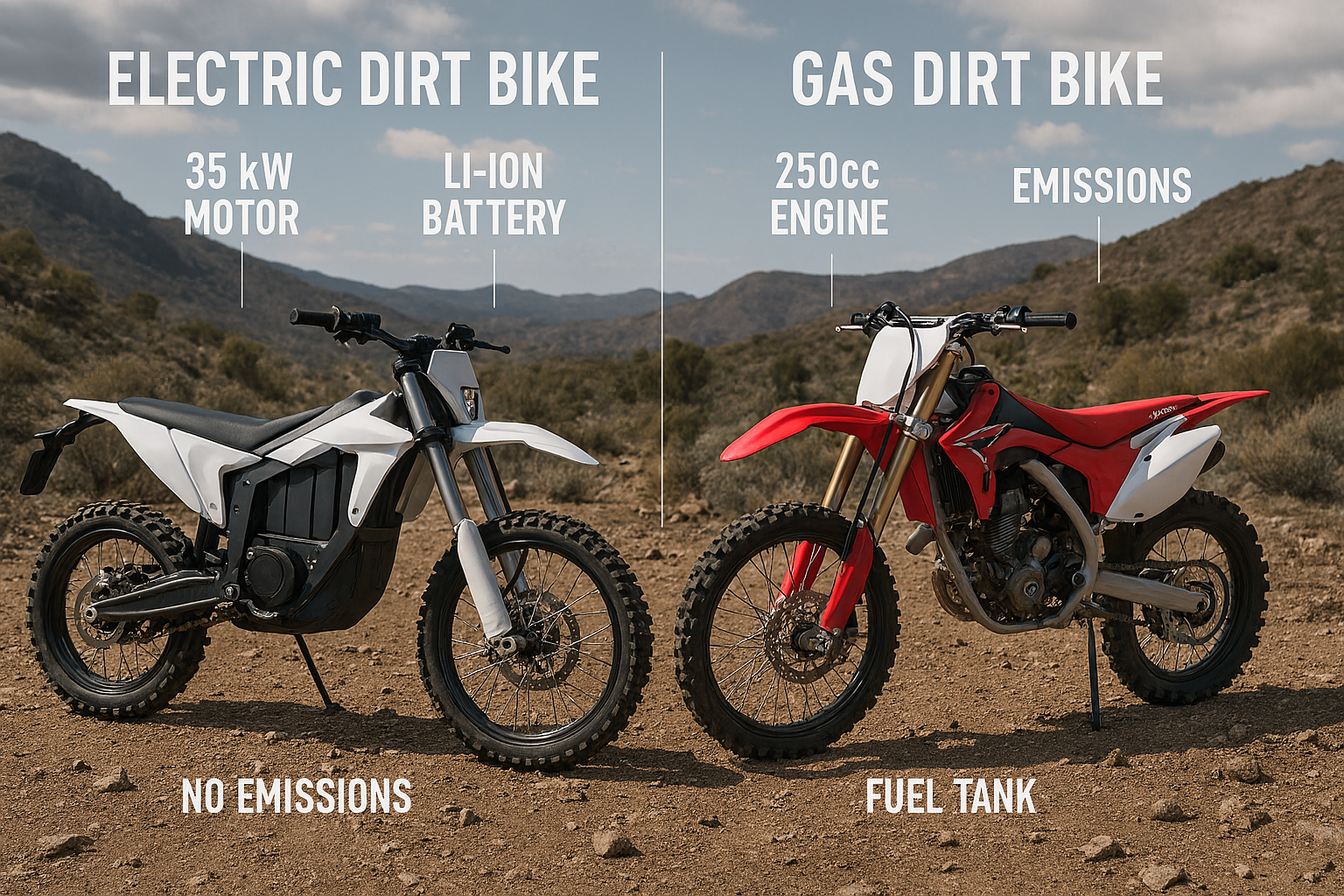
At a glance, electric and gas dirt bikes may look similar. But from a city’s perspective, they behave very differently—and that difference is driving regulatory change.
Noise Pollution Is the Biggest Factor
Noise complaints are one of the primary reasons cities have historically cracked down on gas dirt bikes. High-decibel exhaust systems disrupt neighborhoods, parks, and shared trail systems.
Electric dirt bikes, by contrast, operate at a fraction of the noise level. Many models are quiet enough to ride without disturbing nearby homes or wildlife, which has led some municipalities to classify them closer to electric bicycles than off-road motorcycles.
- Gas dirt bikes often exceed legal noise limits
- Electric dirt bikes produce minimal sound
- Lower noise = fewer citizen complaints
Emissions and Environmental Policy
Cities focused on sustainability and emissions reduction see electric dirt bikes as a step in the right direction. Unlike gas dirt bikes, electric models produce zero tailpipe emissions, aligning with clean air initiatives and climate goals.
This environmental advantage has caused many cities to create separate classifications—or exemptions— for electric dirt bikes under existing emissions laws.
Why Gas Dirt Bikes Face Stricter Urban Restrictions
Gas-powered dirt bikes have long been associated with illegal street riding, excessive noise, and environmental damage. As a result, many cities already have strict rules in place that limit or ban their use entirely within city limits.
Common Restrictions on Gas Dirt Bikes
- No operation on public streets
- Strict noise enforcement
- Emissions compliance requirements
- Limited trail access
Because electric dirt bikes do not trigger many of these same issues, cities are being forced to rethink blanket bans that were originally written with gas bikes in mind.
The Legal Gray Area of Electric Dirt Bikes
One of the biggest challenges cities face is classification. Electric dirt bikes don’t always fit neatly into existing vehicle categories.
Are they motorcycles? Electric bicycles? Off-road vehicles? Something entirely new?
This lack of clarity has led to inconsistent rules from city to city—and even neighborhood to neighborhood.
How Cities Are Classifying Electric Dirt Bikes
Some municipalities base regulations on top speed and motor wattage, while others focus on where the bike is ridden rather than what it is.
- Speed-limited electric dirt bikes treated like e-bikes
- High-performance models regulated as motorcycles
- Off-road-only designation in certain areas
Retailers such as AmpedSportsman are seeing increased demand for electric dirt bikes that can be configured to meet local regulations, including adjustable power modes and speed limits.
Why Cities See Electric Dirt Bikes as More Manageable
From an enforcement perspective, electric dirt bikes are easier for cities to manage. Their quieter operation reduces complaints, and their electric drivetrains align with broader urban mobility trends.
Many cities already encourage electric scooters, e-bikes, and other micro-mobility solutions. Electric dirt bikes naturally fall into this expanding ecosystem—at least in the eyes of policymakers.
Urban Riding vs Off-Road Riding
Cities are also distinguishing between where electric dirt bikes are used. Responsible riding on private property or designated areas is treated very differently than reckless street riding.
This shift places more responsibility on riders—but also opens the door to broader acceptance when used correctly.
The Role of Public Demand and Rider Behavior
Another reason cities are regulating electric dirt bikes differently is public perception. Electric bikes are often viewed as cleaner, quieter, and more modern—even when they offer serious performance.
Parents buying electric dirt bikes for kids, commuters using electric off-road builds, and hobby riders enjoying quiet trail sessions have all helped reshape the narrative.
You can explore compliant models here: Shop Electric Dirt Bikes
What This Means for Riders Moving Forward
As cities continue to update laws, riders should expect more electric-specific regulations rather than blanket bans. This could include:
- Speed caps in urban zones
- Designated electric-only trails
- Registration exemptions for certain models
- Expanded access compared to gas dirt bikes
Understanding local laws—and choosing the right electric dirt bike—will be critical as enforcement becomes more defined.
Real-World City Examples: How Regulations Are Changing
Cities are no longer treating electric dirt bikes as an afterthought. Instead, many are rewriting policies specifically to address the differences between electric and gas-powered off-road bikes. While rules vary widely, several clear patterns are emerging.
Major Cities Taking the Lead
In dense urban areas, lawmakers are focused on reducing noise complaints and emissions while still controlling unsafe riding behavior.
- Los Angeles: Increased enforcement on gas dirt bikes, while electric models with speed limits face fewer penalties.
- New York City: Clear bans on gas-powered dirt bikes, with electric bikes evaluated separately based on speed and usage.
- European Cities: Some regions allow low-noise electric dirt bikes on designated trails where gas bikes are prohibited.
These examples show a clear shift: cities are no longer using one-size-fits-all laws. Electric dirt bikes are being evaluated on how they are used, not just what they are.
Upcoming Laws and What Riders Should Expect
As electric dirt bikes continue to grow in popularity, new regulations are expected to roll out over the next few years. These laws aim to balance rider freedom with public safety and urban livability.
Likely Regulatory Trends
- Power and speed-based classifications
- Mandatory helmets and age restrictions
- Designated electric-only riding zones
- Clear separation between off-road and street use
Retailers like AmpedSportsman are already responding by offering electric dirt bikes with adjustable power modes, making it easier for riders to stay compliant as laws evolve.
Why Electric Dirt Bikes Fit the Future of Urban Mobility
Cities are rapidly embracing electric transportation. From scooters to e-bikes, electric mobility solutions are becoming a core part of urban planning. Electric dirt bikes, while more powerful, fit naturally into this transition.
Their quiet operation, lack of emissions, and configurable performance give cities more control without resorting to outright bans.
This is why many experts believe electric dirt bikes will gain more legal acceptance over time, while gas dirt bikes continue to face stricter limitations.
How Riders Can Stay Legal and Avoid Issues
As regulations change, riders must take responsibility for understanding local laws and riding appropriately.
- Check local speed and power limits
- Use private property or approved riding areas
- Avoid public roads unless street-legal
- Choose adjustable electric dirt bikes
Choosing the right bike from trusted sellers like AmpedSportsman Electric Dirt Bikes can make compliance significantly easier.
Frequently Asked Questions
Are electric dirt bikes legal in cities?
It depends on the city. Many cities regulate electric dirt bikes differently than gas bikes, often allowing them under specific speed or usage conditions.
Why are gas dirt bikes banned more often?
Gas dirt bikes generate high noise levels and emissions, leading to complaints and stricter enforcement in urban environments.
Can electric dirt bikes be ridden on the street?
Most electric dirt bikes are not street-legal unless modified and registered. Cities typically restrict riding to private property or designated areas.
Do electric dirt bikes need registration?
Some low-power electric models may be exempt, but high-performance electric dirt bikes are often treated like motorcycles under the law.
Where can I buy compliant electric dirt bikes?
Stores like AmpedSportsman offer electric dirt bikes designed with adjustable settings to meet evolving city regulations.
Final Thoughts
Cities are not just regulating electric dirt bikes differently—they are redefining how off-road vehicles fit into urban life. While gas dirt bikes continue to face heavy restrictions, electric dirt bikes are gaining conditional acceptance thanks to their quieter, cleaner design.
For riders, this shift presents a major opportunity. By choosing the right electric dirt bike and riding responsibly, it’s possible to stay ahead of regulations rather than fighting against them.