
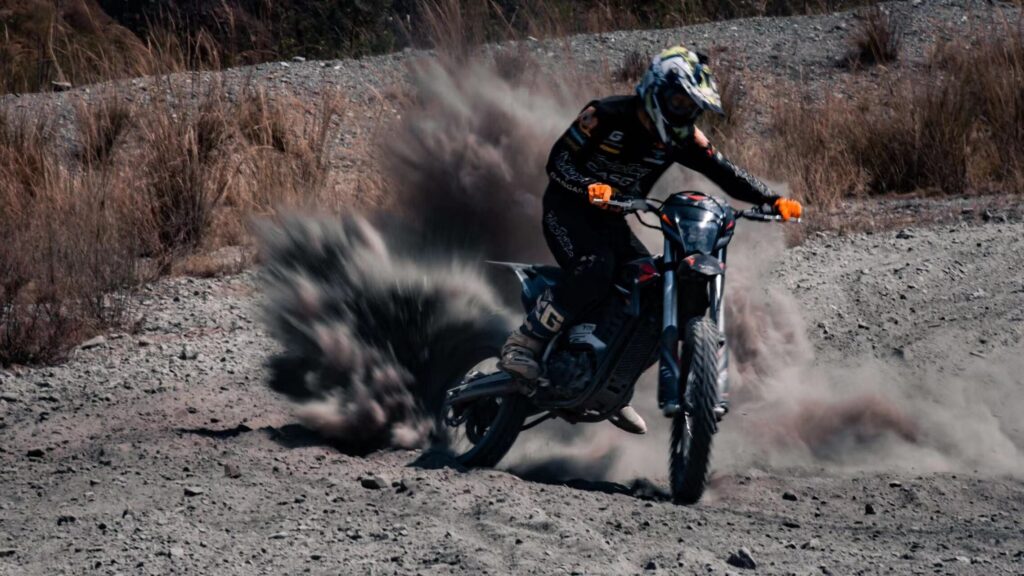
Silent Speed: How Electric Dirt Bikes Are Changing Where You Can Ride
The off-road riding world is experiencing one of its biggest transformations in decades. Searches for electric dirt bikes, quiet off-road motorcycles, where can I ride an electric dirt bike, electric dirt bike trail access, and high-performance electric motocross bike continue to rise across Google and AI-powered search engines. Riders are no longer just comparing horsepower and torque — they’re asking something more strategic: Where can I actually ride?
For years, noise restrictions, environmental regulations, and expanding suburban development have reduced access to riding areas for traditional gas-powered dirt bikes. But now, silent high‑torque electric dirt bikes are changing the conversation. With near‑silent operation, zero tailpipe emissions, and simplified maintenance, electric models are unlocking new riding opportunities that were previously off-limits.
In this in-depth 2026 guide, we’ll explore how electric dirt bikes are expanding trail access, reshaping riding communities, and creating new opportunities for riders across suburban neighborhoods, private land, motocross tracks, and public trail systems.
The Noise Problem: Why Gas Dirt Bikes Lost Riding Areas
Traditional 250cc and 450cc gas dirt bikes are loud — often exceeding 90–110 decibels under load. That level of sound travels far beyond the rider’s immediate area, especially in open terrain.
As suburban neighborhoods expanded closer to rural land and public trails, complaints increased. Many municipalities responded by:
- Imposing strict sound limits
- Reducing permitted riding hours
- Closing trail systems
- Requiring expensive sound testing
- Limiting access to private tracks
In many regions, riding opportunities declined not because of environmental damage — but because of noise complaints.
Enter Silent Performance: The Electric Advantage
Modern high‑power electric dirt bikes operate at a fraction of the noise level of combustion engines. While not completely silent (tire noise and chain movement still exist), electric bikes eliminate:
- Engine roar
- Exhaust backfire
- High‑RPM revving noise
- Fuel combustion sound
The result is dramatically reduced decibel output — often closer to the sound of a mountain bike with a soft motor hum.
This reduction in noise is not just a comfort feature. It’s a legal and practical advantage.
New Riding Opportunities Created by Electric Dirt Bikes
1. Suburban & Semi‑Rural Properties
Many riders with small acreage previously avoided riding due to neighbor complaints. Electric dirt bikes now allow property owners to practice riding skills without disturbing nearby homes.
Because there’s no engine revving, short practice sessions become far less disruptive.
2. Noise‑Restricted Trails
Some trail systems have implemented strict decibel limits. Electric dirt bikes often fall well below these limits, making them viable where gas bikes struggle to comply.
3. Private Tracks Near Residential Areas
Private motocross tracks located near neighborhoods frequently face shutdowns due to sound violations. Electric-only riding sessions are becoming more common to keep these facilities operational.
4. Indoor Riding Facilities
Electric dirt bikes enable indoor training environments because they produce no exhaust emissions. This opens opportunities for year-round practice in controlled spaces.
Environmental Impact & Public Perception
Public perception plays a major role in access. Gas-powered dirt bikes are often associated with:
- Noise pollution
- Air pollution
- Environmental damage
Electric dirt bikes shift that perception. With zero tailpipe emissions and minimal sound, they are often viewed as more environmentally responsible.
While battery production does have environmental impact, operational emissions during riding are effectively zero. This distinction matters when negotiating access to shared-use trails.
Trail Sharing: Electric vs Gas in Multi‑Use Areas
Shared-use trails — those used by hikers, mountain bikers, and equestrians — are frequent sources of conflict when gas dirt bikes are involved.
Electric dirt bikes reduce tension because:
- They don’t startle hikers with loud engine noise
- They reduce wildlife disturbance
- They allow riders to slow down quietly near others
- They create fewer noise complaints
As multi-use trail systems expand, electric dirt bikes are positioned as a compromise solution between motorized and non-motorized recreation.
Performance Has Closed the Gap
One reason electric dirt bikes were previously dismissed was limited performance. That is no longer the case.
Modern high-performance electric models deliver:
- Instant torque from zero RPM
- Smooth linear power delivery
- Strong hill-climbing ability
- Adjustable ride modes
- Advanced traction control systems
Performance-focused options like the Amped Sportsman electric dirt bike demonstrate how far the technology has advanced, combining aggressive off-road capability with quiet operation.
Instant Torque: A New Riding Experience
Electric motors provide immediate torque without clutch modulation. This creates:
- Stronger low-end acceleration
- Improved technical trail control
- Easier hill starts
- Less rider fatigue
For tight wooded trails or rocky terrain, this smooth power delivery improves precision and confidence.
Maintenance Simplicity Encourages More Frequent Riding
Another indirect way electric dirt bikes expand riding opportunities is through maintenance reduction.
Gas bikes require:
- Frequent oil changes
- Valve adjustments
- Air filter cleaning
- Fuel system maintenance
Electric bikes eliminate most of these tasks. Less downtime means riders are more likely to ride more often — including short practice sessions that might not justify full gas-bike prep.
Urban & Peri‑Urban Riding Potential
While fully urban off-road riding remains illegal in most cities, peri‑urban zones — industrial edges, undeveloped land near city limits — often present gray areas where noise has historically been the main barrier.
Electric dirt bikes reduce detection risk due to low sound levels. However, riders must always verify local regulations before riding.
Range & Charging Considerations
Range remains one limitation compared to gas bikes.
- Typical aggressive ride time: 1–2 hours
- Recharge time: 2–4 hours depending on charger
However, for property riding, track sessions, or shorter trail loops, this range is often sufficient.
Removable battery systems are also becoming more common, enabling quick battery swaps for extended sessions.
Noise as a Strategic Advantage for Land Access
Landowners are more likely to grant riding permission when noise impact is minimal. Quiet electric dirt bikes make it easier to:
- Negotiate access agreements
- Host private practice sessions
- Ride on agricultural land responsibly
- Minimize livestock disturbance
This practical advantage alone is reshaping how and where enthusiasts ride.
Wildlife Impact & Conservation Areas
Noise significantly affects wildlife behavior. Electric dirt bikes produce less disturbance, potentially increasing acceptance in areas near conservation zones — although riders must always confirm legal status before riding in protected lands.
Are Electric Dirt Bikes Allowed on All Trails?
Not automatically. Regulations vary by region. Some areas classify electric dirt bikes similarly to gas-powered motorcycles regardless of noise level.
However, the trend is clear: quieter operation improves the likelihood of expanded access over time.
Economic Implications for Riding Facilities
Private tracks and riding parks face insurance challenges and noise complaints. Offering electric-only riding hours can:
- Reduce community complaints
- Extend operating hours
- Attract new demographics
- Lower liability risk related to noise disputes
This hybrid model is becoming increasingly common in 2026.
Electric Dirt Bikes for Youth & Beginners
Parents are more comfortable introducing children to electric dirt bikes because:
- No hot exhaust pipes
- Adjustable speed modes
- Reduced intimidation factor
- Quieter learning environment
This accessibility expands the sport to new riders.
The Cultural Shift: From Roar to Whir
For decades, engine noise symbolized power. Today, refinement and technology represent the new performance standard.
Electric dirt bikes are redefining what speed sounds like — or doesn’t sound like.
Challenges That Still Exist
- Limited range compared to gas
- Battery replacement cost over time
- Higher initial purchase price in some cases
- Charging infrastructure limitations in remote areas
However, battery energy density continues improving each year.
Future Outlook: 2026 and Beyond
Industry analysts predict:
- Faster charging systems
- Lighter battery packs
- Improved thermal management
- Expanded electric-only trail systems
- Dedicated electric motocross classes
As these developments continue, electric dirt bikes may gain even broader access advantages.
Are Electric Dirt Bikes Replacing Gas Models?
Not entirely — but they are carving out new territory.
Electric dirt bikes excel in:
- Noise-sensitive environments
- Suburban and private land riding
- Beginner-friendly training
- Shared-use trail systems (where permitted)
Gas bikes still dominate long-distance endurance riding and remote refueling scenarios.
Final Verdict: Access Is the Real Revolution
Performance matters. Torque matters. Range matters.
But access may be the most important factor of all.
High‑power electric dirt bikes are not just changing how you ride — they’re changing where you can ride. With quieter operation, lower environmental impact, and improved public perception, electric dirt bikes are expanding opportunities that gas models increasingly struggle to maintain.
As technology advances and regulations evolve, silent speed may become the key that unlocks the future of off-road riding.
If you’re exploring high‑performance, low‑noise off-road options, models like the Amped Sportsman electric dirt bike represent the next generation of trail-ready electric mobility.