
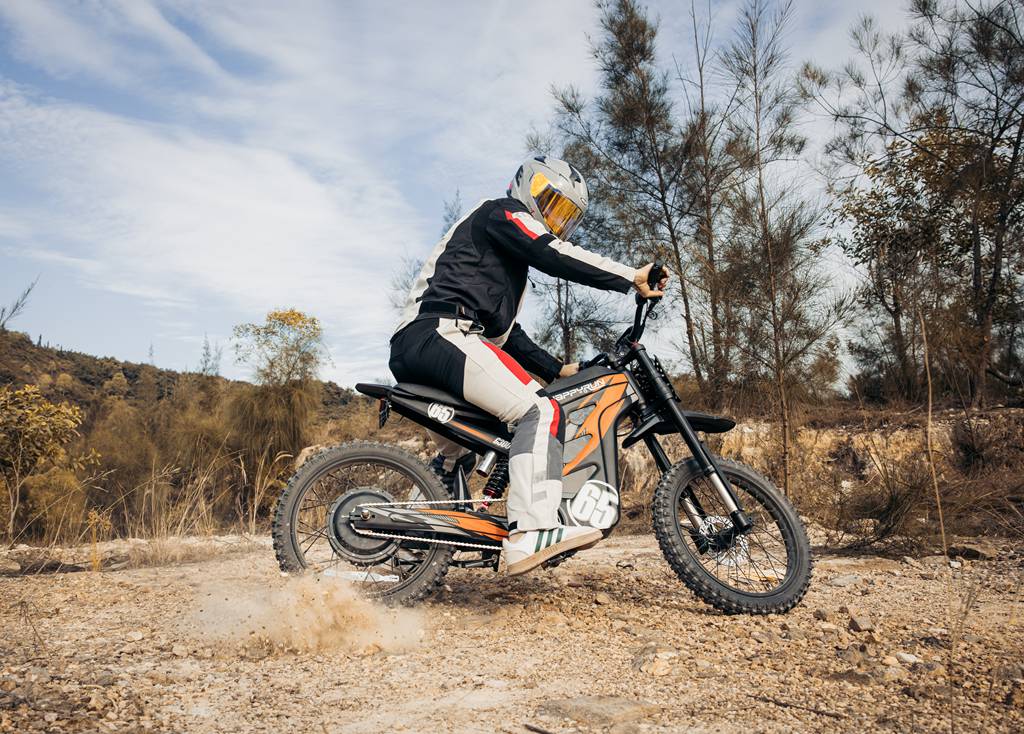
Is an Electric Dirt Bike Worth It in 2026? Real Costs, Maintenance, and Ownership Breakdown
Are electric dirt bikes worth it in 2026? This complete ownership guide breaks down real costs, maintenance, battery life, charging, performance, and long‑term value compared to gas dirt bikes.
Why This Question Matters More Than Ever in 2026
Just a few years ago, electric dirt bikes were considered experimental machines—interesting, but not practical replacements for gas motorcycles. In 2026, that perception has changed dramatically. Electric dirt bikes are now faster, more reliable, and more capable than ever before.
As technology improves and prices stabilize, riders are asking a more practical question: Is an electric dirt bike actually worth owning? This isn’t about hype or future promises. It’s about real‑world costs, real maintenance requirements, and real ownership experience.
Riders today are balancing multiple concerns. Fuel prices continue to rise. Maintenance on modern four‑stroke gas dirt bikes is expensive and time‑consuming. Noise restrictions are limiting where and when people can ride. At the same time, electric dirt bikes are delivering performance levels that rival traditional 250cc and even 450cc gas motorcycles.
This guide breaks everything down clearly so you can decide if an electric dirt bike makes sense for you in 2026—not based on marketing claims, but on ownership reality.
What Exactly Is an Electric Dirt Bike?
An electric dirt bike is a purpose‑built off‑road motorcycle powered by a high‑output electric motor and a lithium battery instead of a gasoline engine. Unlike electric bicycles or hybrid machines, modern electric dirt bikes are designed for aggressive trail, enduro, and motocross‑style riding.
In 2026, electric dirt bikes come in a wide range of configurations. Some focus on lightweight trail riding and technical terrain, while others deliver high power outputs capable of matching or exceeding traditional gas bikes in acceleration and torque.
Popular electric dirt bike brands include Surron, Talaria, 79Bike, and other emerging manufacturers focused on high‑performance e‑moto platforms.
View current models here: Shop Electric Dirt Bikes
Upfront Cost: How Much Does an Electric Dirt Bike Cost in 2026?
The first thing most riders notice is the purchase price. Electric dirt bikes are not cheap, and in many cases the upfront cost is similar to—or higher than—comparable gas bikes.
In 2026, typical pricing looks like this:
- Entry‑level electric dirt bikes: $3,000 – $4,500
- Mid‑range performance models: $5,000 – $6,500
- High‑power electric dirt bikes: $6,500 – $9,000+
At face value, this can feel expensive, especially when compared to used gas bikes. However, purchase price alone does not reflect the true cost of ownership.
To answer whether an electric dirt bike is worth it, you must look at total cost over time.
Fuel vs Electricity: Ongoing Operating Costs
One of the biggest advantages of electric dirt bikes is how little they cost to operate. Instead of gasoline, riders charge their bike using household electricity.
A full charge typically costs between $1 and $3, depending on local electricity rates. That charge can deliver anywhere from 1.5 to 3 hours of riding depending on terrain and riding style.
By comparison, gas dirt bikes require premium fuel, often mixed with oil, and frequent refueling during longer rides.
- Average electric dirt bike ride cost: $1–$3
- Average gas dirt bike ride cost: $10–$20+
Over the course of a season, electric riders often save hundreds or even thousands of dollars in fuel alone.
Maintenance: Electric vs Gas Dirt Bikes
Maintenance is where electric dirt bikes truly separate themselves from gas motorcycles. Gas dirt bikes are mechanically complex machines that require frequent service to stay reliable.
Electric dirt bikes, by contrast, have far fewer moving parts. There is no engine oil, no valves, no fuel system, and no exhaust.
| Maintenance Item | Electric Dirt Bike | Gas Dirt Bike |
|---|---|---|
| Oil changes | None | Every few rides |
| Valve adjustments | None | Required |
| Engine rebuilds | None | Expensive & inevitable |
| Fuel system service | None | Injectors, pumps, filters |
Riders who switch to electric often report spending dramatically less time wrenching and more time riding. Over several years, this alone can justify the initial purchase price.
Battery Life: The Biggest Concern Explained
Battery life is the most common concern among potential buyers. Many riders worry that batteries degrade quickly or require frequent replacement.
In reality, modern lithium batteries used in electric dirt bikes are designed to last for thousands of charge cycles. For most riders, this translates to 3 to 5 years or more of usable life.
Battery lifespan depends on how the bike is used, how it is charged, and how it is stored. Riders who avoid constant full discharges and extreme heat typically see excellent longevity.
While battery replacement is expensive, it is also infrequent. Many owners sell or upgrade their bike long before a replacement is necessary.
Performance: Do Electric Dirt Bikes Feel Slow?
One of the biggest misconceptions about electric dirt bikes is that they feel underpowered. In practice, the opposite is often true.
Electric motors deliver instant torque from zero RPM. There is no clutch, no gear changes, and no waiting for the engine to build power.
This results in:
- Immediate throttle response
- Stronger low‑end pull than gas bikes
- Excellent hill‑climbing ability
- Smoother power delivery in technical terrain
Many riders report that electric dirt bikes feel faster and easier to control than comparable gas motorcycles, especially off‑road.
Range and Ride Time: Is It Enough?
Range anxiety is another common concern. In 2026, most electric dirt bikes offer enough range for the majority of recreational and trail riders.
Typical ride times include:
- 1.5–2 hours of aggressive riding
- 2–3+ hours of trail or mixed riding
- Longer sessions using eco or trail modes
For riders who take breaks or ride in shorter sessions, charging is rarely an issue. Some riders also carry spare batteries for extended days.
Noise, Access, and Where You Can Ride
One of the most underrated benefits of electric dirt bikes is how quiet they are. Noise restrictions have shut down riding areas across the country, and electric bikes offer a solution.
Quieter operation means:
- Less conflict with landowners
- More riding opportunities
- Ability to ride without disturbing others
For many riders, increased access alone makes electric dirt bikes worth it.
Who Should Buy an Electric Dirt Bike in 2026?
Electric Dirt Bikes Are Worth It If:
- You ride trails or enduro regularly
- You want lower maintenance costs
- You value quiet riding
- You want instant torque and smooth power
They May Not Be Ideal If:
- You need all‑day riding without charging
- You race long motocross motos exclusively
- You prefer traditional engine tuning
Final Verdict: Is an Electric Dirt Bike Worth It in 2026?
For the majority of riders, the answer in 2026 is a clear yes. Electric dirt bikes offer competitive performance, dramatically lower maintenance, cheaper operating costs, and a more enjoyable ownership experience.
While gas bikes still have their place, electric dirt bikes are no longer a compromise. They are a smart investment for riders who value performance, simplicity, and the future of off‑road riding.