
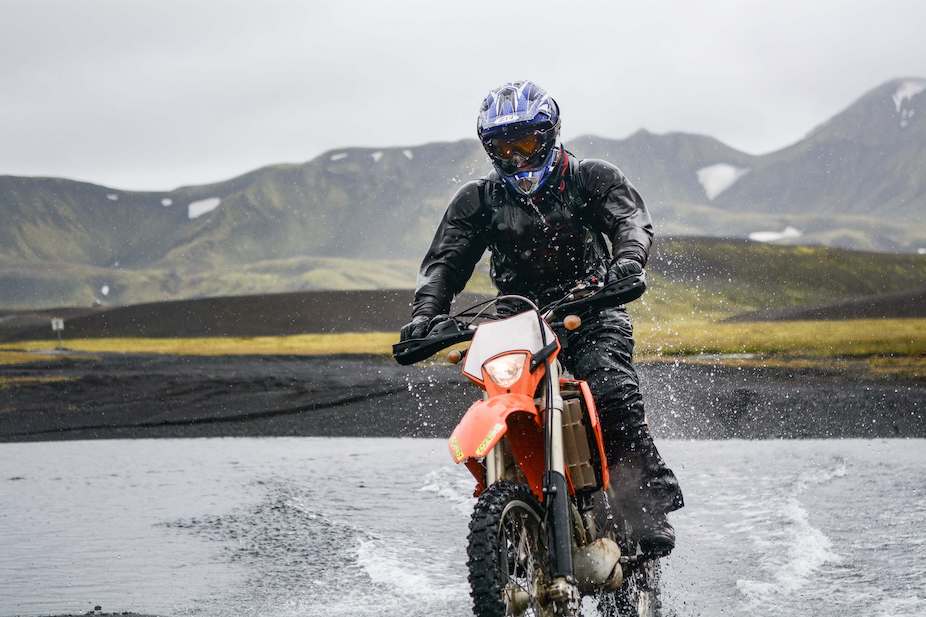
Can You Ride Electric Dirt Bikes in the Rain? Safety Guide
A common question among riders is: “Can you ride electric dirt bikes in the rain?” The short answer is yes—but with important limitations.
Unlike traditional gas-powered bikes, electric dirt bikes rely heavily on batteries, controllers, and electrical systems. This makes understanding wet-weather riding not just important—but essential.
👉 Explore electric dirt bikes built for real-world conditions: SurRon Ultra Bee Electric Dirt Bike
SurRon Light Bee Electric Dirt Bike
In this complete safety guide, we’ll break down how electric dirt bikes handle rain, what risks are involved, and how to ride safely in wet conditions.
Are Electric Dirt Bikes Waterproof?
Electric dirt bikes are not fully waterproof, but most are water-resistant.
This means they are designed to handle:
- Light to moderate rain
- Wet trails and puddles
- Splash exposure
However, they are NOT designed for:
- Deep water crossings
- Submersion
- High-pressure water exposure
Understanding this distinction is critical for safe riding.
Key Components Affected by Rain
1. Battery Pack
The battery is sealed and protected, but prolonged exposure to water can still pose risks.
- Water intrusion (rare but possible)
- Connector corrosion over time
- Performance inconsistencies
2. Controller and Electronics
Controllers are typically enclosed, but moisture can still impact performance if seals are compromised.
- Sensor malfunctions
- Reduced efficiency
- Potential electrical faults
3. Wiring and Connectors
Wiring is insulated, but repeated exposure to moisture can lead to:
- Corrosion
- Connection issues
- Long-term wear
Is It Safe to Ride in the Rain?
Yes—riding in the rain is generally safe if you follow proper precautions.
However, the biggest risks are not electrical failure—but:
- Reduced traction
- Longer braking distances
- Limited visibility
These factors affect ALL dirt bikes, not just electric ones.
Traction Challenges in Wet Conditions
Rain dramatically changes terrain conditions.
- Mud reduces grip
- Wet rocks become slippery
- Loose soil becomes unstable
Even though electric dirt bikes offer instant torque, this can be a disadvantage if not controlled properly.
How Electric Dirt Bikes Perform in the Rain
Advantages
- Smooth power delivery
- Precise throttle control
- No stalling in tricky terrain
Disadvantages
- Sensitive electronics
- Battery efficiency concerns
- Traction limitations
Overall, performance remains strong—but requires rider adaptation.
Battery Safety in Wet Conditions
Modern electric dirt bikes are designed with sealed battery systems.
However, riders should:
- Avoid deep water exposure
- Check seals regularly
- Dry the battery area after riding
Proper care prevents long-term issues.
Can Rain Damage an Electric Dirt Bike?
Rain alone is unlikely to damage a properly maintained electric dirt bike.
Damage usually occurs due to:
- Poor maintenance
- Damaged seals
- Extreme exposure conditions
Regular inspection minimizes these risks.
Riding Technique in the Rain
Wet conditions require adjustments in riding style.
Throttle Control
- Use smooth inputs
- Avoid sudden acceleration
Braking
- Brake earlier
- Apply gradually
Body Position
- Stay balanced
- Shift weight for traction
These adjustments improve control and safety.
Tire Choice for Wet Riding
Tires are one of the most important factors in rain performance.
- Knobby tires improve grip
- Soft compounds perform better in mud
- Aggressive tread patterns help traction
Choosing the right tires makes a significant difference.
Braking Performance in Rain
Wet conditions reduce braking efficiency.
- Longer stopping distances
- Reduced grip
- Higher risk of skidding
Controlled braking is essential.
Visibility Challenges
Rain affects visibility in multiple ways:
- Foggy goggles
- Reduced trail visibility
- Water splashes
Proper gear improves safety.
Protective Gear for Rain Riding
- Waterproof riding gear
- Anti-fog goggles
- Gloves with grip support
Staying dry helps maintain control and comfort.
Maintenance After Riding in Rain
Post-ride maintenance is critical after wet rides.
- Clean mud and debris
- Dry electrical components
- Inspect connectors
This prevents long-term damage.
Common Mistakes to Avoid
- Riding through deep water
- Ignoring maintenance
- Using worn tires
- Riding aggressively in slippery conditions
Avoiding these mistakes improves safety and bike longevity.
15. Advanced Rain Riding Safety Techniques
Riding an electric dirt bike in the rain requires more than just caution—it demands advanced technique and awareness.
Smooth Throttle Application
- Avoid sudden bursts of power
- Gradually increase throttle to maintain traction
- Use low power modes if available
Line Selection
- Avoid shiny or wet rocks
- Look for firmer ground with better grip
- Stay out of deep mud when possible
Momentum Management
- Maintain steady speed
- Avoid stopping in slippery areas
- Carry momentum through obstacles
16. Waterproofing Upgrades and Protection Tips
While most electric dirt bikes are water-resistant, riders can take additional steps to improve protection.
Seal Enhancements
- Check rubber seals regularly
- Replace worn seals immediately
- Apply dielectric grease to connectors
Connector Protection
- Use waterproof covers where possible
- Keep connectors clean and dry
- Avoid unnecessary exposure
Battery Compartment Care
- Inspect for gaps or damage
- Ensure proper closure before riding
- Dry thoroughly after wet rides
17. Deep Water Crossings: What to Know
One of the biggest risks when riding in wet conditions is deep water.
Electric dirt bikes should NOT be ridden through:
- Water above motor height
- Flooded trails
- Unknown depth crossings
If you must cross water:
- Walk the path first
- Keep speed steady and slow
- Avoid stopping mid-crossing
18. Seasonal Rain Riding Considerations
Rain riding varies depending on the season.
Spring
- Frequent mud and soft terrain
- Variable traction conditions
Summer Storms
- Sudden rain with hard-packed ground
- Flash flooding risks
Autumn
- Wet leaves reduce traction
- Cooler temperatures affect battery slightly
Understanding seasonal differences helps improve safety.
19. Battery Performance in Rainy Conditions
Rain itself does not directly reduce battery performance, but related conditions can.
- Cool temperatures may slightly reduce efficiency
- Wet terrain increases energy consumption
- Heavier resistance leads to faster battery drain
Planning shorter rides in wet conditions can help manage range.
20. Electrical Safety Best Practices
To ensure electrical safety while riding in the rain:
- Avoid damaged wiring or exposed connectors
- Do not ride if electrical issues are present
- Turn off the bike if abnormal behavior occurs
Modern systems are safe, but caution is still important.
21. Cleaning Your Bike After Rain Riding
Post-ride cleaning is critical for maintaining performance.
Cleaning Steps
- Rinse off mud gently (avoid pressure washers)
- Dry the bike completely
- Inspect electrical components
What to Avoid
- High-pressure water near electronics
- Leaving moisture on connectors
- Skipping drying process
22. Long-Term Effects of Riding in Rain
Frequent exposure to wet conditions can have long-term effects:
- Corrosion of metal components
- Wear on seals and connectors
- Reduced lifespan of electrical parts
Regular maintenance minimizes these risks.
23. Comparing Electric vs Gas Bikes in Rain
Both electric and gas dirt bikes face challenges in wet conditions, but they differ in key ways.
Electric Dirt Bikes
- Smoother power delivery
- No stalling
- Sensitive electronics
Gas Dirt Bikes
- Less sensitive to water exposure
- Can stall in wet conditions
- More mechanical complexity
Electric bikes offer better control, while gas bikes may handle extreme water exposure slightly better.
24. Common Myths About Riding in the Rain
-
Myth: Electric bikes cannot get wet
Reality: They are designed for wet conditions but not submersion -
Myth: Rain will destroy the battery
Reality: Properly sealed batteries are protected -
Myth: Riding in rain is too dangerous
Reality: It is safe with proper precautions
25. Pro Tips for Rain Riding
- Lower tire pressure slightly for better grip
- Use eco or low power mode
- Keep your body loose and balanced
- Look ahead and plan your path
These tips improve both safety and performance.
26. When You Should NOT Ride in the Rain
There are situations where riding is not recommended:
- Severe storms or lightning
- Flooded trails
- Extremely poor visibility
Safety should always come first.
27. Key Takeaways
- Electric dirt bikes are water-resistant, not waterproof
- Rain affects traction more than electronics
- Proper technique is essential for safety
- Maintenance is critical after wet rides
- Avoid deep water and extreme conditions
Final Verdict: Can You Ride Electric Dirt Bikes in the Rain?
Yes—you can ride electric dirt bikes in the rain safely, as long as you understand their limitations and take proper precautions.
Modern electric dirt bikes are built to handle wet conditions, but they are not designed for submersion or extreme exposure.
The biggest challenges come from reduced traction, visibility, and control—not from the electrical system itself.
Conclusion
Riding an electric dirt bike in the rain can be both safe and enjoyable when approached correctly. By adjusting your riding technique, maintaining your bike properly, and understanding how wet conditions affect performance, you can confidently ride in a wide range of environments.
As electric dirt bike technology continues to evolve, weather resistance will improve—but rider awareness will always remain the most important factor.
👉 Explore electric dirt bikes designed for real-world riding conditions: SurRon Ultra Bee Electric Dirt Bike
SurRon Light Bee Electric Dirt Bike