
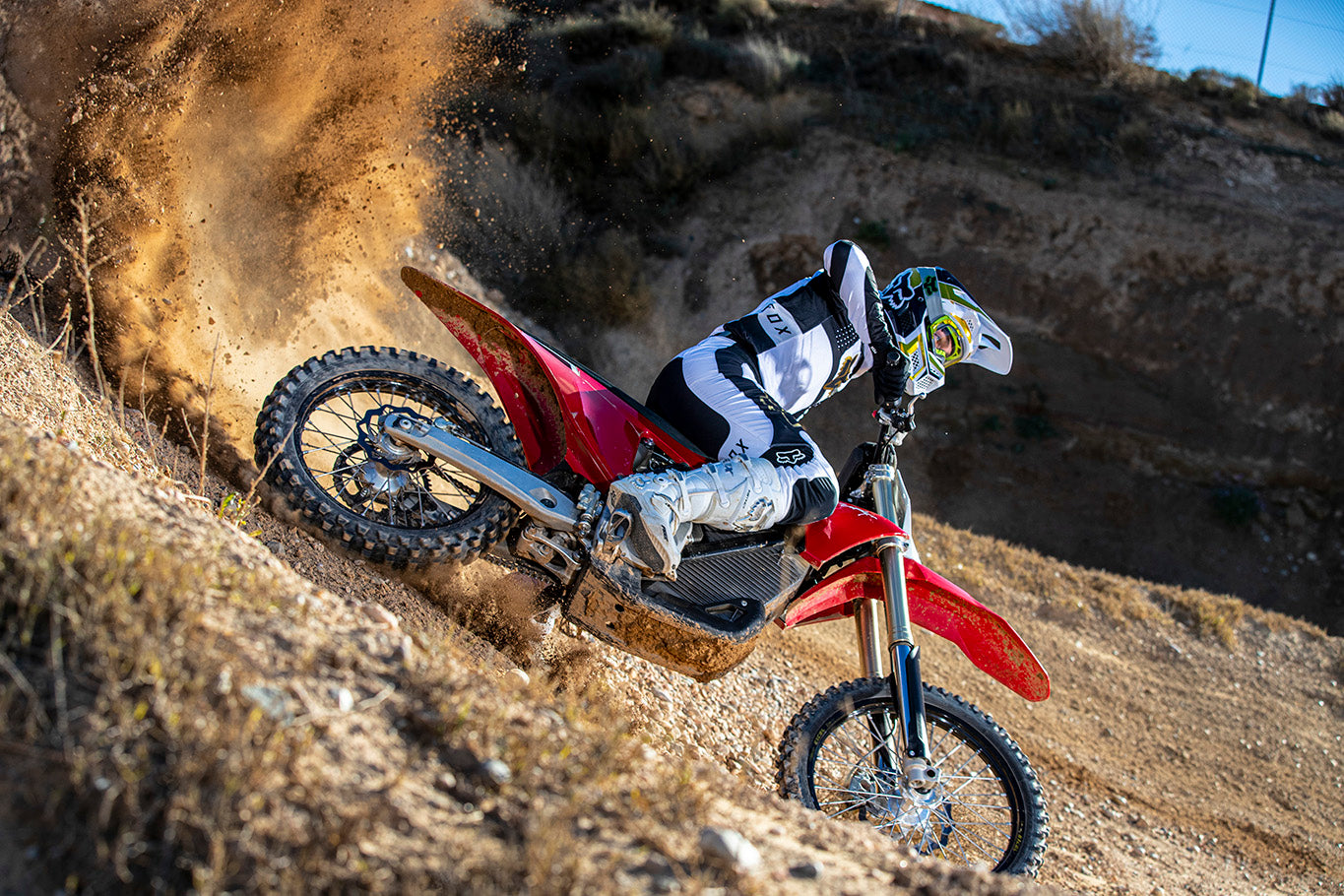
Can Electric Dirt Bikes Survive Hardcore Motocross Tracks? Real‑World Tests
Electric dirt bikes have moved far beyond backyard riding and casual trail use. Today, riders are pushing them onto hardcore motocross tracks filled with massive jumps, deep ruts, braking bumps, whoops, and relentless lap sessions. The big question riders, racers, and track owners keep asking is simple: can electric dirt bikes truly survive hardcore motocross tracks?
In this in‑depth real‑world breakdown, we analyze how modern electric dirt bikes perform under true motocross conditions—based on rider testing, track abuse, component stress, and long‑session durability. We’ll also compare electric motocross performance against gas bikes, highlight where electric platforms excel, and where they still face challenges.
This guide is optimized for riders, racers, and buyers searching for high‑performance electric dirt bikes, motocross‑ready electric bikes, and next‑generation off‑road technology.
What Defines a Hardcore Motocross Track?
Before evaluating electric dirt bikes, it’s important to define what “hardcore motocross” really means. These are not groomed practice loops or casual riding areas. Hardcore motocross tracks are designed to punish machines and riders alike.
- Large tabletops, doubles, and triples
- Deep braking bumps and rutted corners
- High‑speed straights with aggressive acceleration zones
- Continuous jumps causing repeated suspension bottom‑outs
- Long motos that stress motors, batteries, and cooling systems
Gas dirt bikes have been built around these demands for decades. Electric dirt bikes, however, are a much newer platform—raising valid concerns about durability, power fade, and reliability.
Early Doubts About Electric Motocross Performance
When electric dirt bikes first entered the off‑road market, many riders dismissed them as novelty machines. Early models struggled with limited range, overheating controllers, and suspension setups designed more for trail riding than motocross abuse.
Common criticisms included:
- Battery drain during long motos
- Thermal shutdowns under aggressive riding
- Suspension not tuned for big jumps
- Weight distribution concerns
However, the current generation of electric dirt bikes looks very different. Manufacturers have invested heavily in motorsport‑grade components, advanced cooling, and race‑focused chassis designs.
Real‑World Track Testing: What Riders Are Reporting
Across motocross tracks worldwide, riders are putting electric dirt bikes through full‑race simulations. These are not marketing demos—these are real riders pushing electric bikes through race‑pace motos.
Real‑world tests consistently highlight several surprising results.
Instant Torque Off the Gate
Electric dirt bikes deliver instant torque the moment the throttle is engaged. On motocross starts and corner exits, this creates explosive acceleration that rivals—and often beats—gas bikes.
Riders report:
- Faster hole‑shot launches
- Stronger drive out of rutted corners
- More consistent power delivery across laps
Unlike gas engines that require precise clutch and RPM control, electric power is predictable and immediate—reducing mistakes under pressure.
Suspension Performance Under Heavy Impact
One of the biggest concerns about electric dirt bikes on motocross tracks is suspension durability. Hardcore tracks punish suspension components relentlessly.
Modern electric motocross bikes now feature:
- Race‑tuned forks and rear shocks
- Reinforced frames and swingarms
- Improved weight balance around the battery
In testing, properly set‑up electric dirt bikes handle repeated big jumps and hard landings without excessive bottoming or instability—provided suspension is tuned for rider weight and riding style.
Battery Performance During Long Motocross Sessions
Battery endurance is one of the most discussed topics when evaluating electric dirt bikes for motocross. Hardcore tracks demand sustained power output, not short bursts.
Modern electric dirt bikes now use high‑capacity lithium battery systems paired with intelligent battery management software. These systems regulate temperature, voltage output, and discharge rates during aggressive riding.
Real‑world motocross tests show:
- Consistent power output across full moto sessions
- No noticeable power fade under race‑pace riding
- Improved thermal stability compared to early models
Many riders report completing full motocross sessions with power to spare—especially when using performance‑focused ride modes efficiently.
Heat Management: Motors, Controllers, and Cooling
Heat is the enemy of all high‑performance machines. Gas bikes deal with heat through airflow, oil cooling, and engine design. Electric dirt bikes rely on advanced thermal management systems.
High‑end electric dirt bikes now incorporate:
- Liquid‑cooled motors
- Actively monitored motor controllers
- Thermal throttling to protect components
During real motocross testing, these systems prevent catastrophic overheating while maintaining competitive performance. Instead of sudden failure, power output is intelligently managed when temperatures rise.
Frame Strength and Chassis Durability
Hardcore motocross riding puts extreme stress on frames, subframes, and swingarms. Electric dirt bikes must support heavy landings while protecting the battery enclosure.
Modern electric motocross frames are engineered with:
- Reinforced battery housings
- Low center‑of‑gravity designs
- High‑strength aluminum or composite materials
Real‑world tests show that today’s electric dirt bike frames handle motocross abuse on par with traditional gas platforms—while often feeling more planted mid‑air due to balanced weight distribution.
Electric vs Gas on Motocross Tracks
| Feature | Electric Dirt Bikes | Gas Dirt Bikes |
|---|---|---|
| Acceleration | Instant torque | RPM‑dependent |
| Power Consistency | Very high | Gear & RPM sensitive |
| Maintenance | Low | High |
| Noise Level | Very low | High |
| Track Access | Increasing | Restricted in some areas |
Why Motocross Tracks Are Starting to Accept Electric Bikes
One unexpected advantage of electric dirt bikes is expanded track access. Because they are significantly quieter, many motocross tracks are beginning to allow electric bikes during additional practice hours.
This means:
- More riding time
- Less community noise conflict
- Greater acceptance at urban and private tracks
For riders who train frequently, this access advantage alone makes electric dirt bikes extremely attractive.
Are Electric Dirt Bikes Motocross‑Ready Today?
Based on real‑world testing, the answer is clear: yes—modern electric dirt bikes can survive hardcore motocross tracks. When properly set up, they deliver competitive performance, exceptional control, and impressive durability.
They are no longer experimental machines. They are legitimate motocross weapons.
Explore motocross‑capable electric dirt bikes here: Shop Electric Dirt Bike
Professional Riders Weigh In: Real Motocross Opinions
Professional and semi‑professional riders testing electric dirt bikes on hardcore motocross tracks report a major shift in perception. What was once seen as experimental is now considered race‑capable under the right conditions.
Key feedback from experienced motocross riders includes:
- More predictable throttle control through rough sections
- Reduced arm pump due to smoother power delivery
- Improved consistency during long motos
- Less mental fatigue without clutch and gear management
Many riders state that electric dirt bikes allow them to focus more on line choice, body position, and jumping technique rather than managing engine behavior.
Where Electric Dirt Bikes Still Face Challenges
Despite impressive progress, electric dirt bikes are not completely without limitations on hardcore motocross tracks.
Charging Time Between Motos
Unlike refueling a gas bike, recharging requires planning. Riders often solve this with spare batteries or fast‑charging setups at the track.
Weight Perception
While modern electric bikes have excellent weight distribution, some riders still notice extra mass during quick bike direction changes compared to lightweight gas race bikes.
Race Infrastructure
Not all race organizations are fully set up for electric classes yet, though this is changing rapidly as electric entries increase.
Why Electric Dirt Bikes Excel in Extreme Track Conditions
Hardcore motocross tracks expose weaknesses quickly. Electric dirt bikes perform exceptionally well in conditions that demand consistency and control.
- Deep sand tracks with constant throttle input
- Rutted corners requiring precise power delivery
- Technical jump sections demanding smooth acceleration
- Wet or low‑traction surfaces
Because power is delivered electronically rather than mechanically, electric dirt bikes maintain traction where gas bikes often struggle.
Can Electric Dirt Bikes Handle Hardcore Motocross?
Yes, modern electric dirt bikes can survive hardcore motocross tracks. With race‑tuned suspension, advanced thermal management, and instant torque, they deliver consistent performance across full motos when properly set up.
Best Setup Tips for Motocross Riding on Electric Dirt Bikes
To get the most out of an electric dirt bike on a hardcore track, setup matters.
- Dial in suspension sag and compression for jump landings
- Use performance ride modes for track sessions
- Monitor battery temperature during long motos
- Adjust regenerative braking for corner entry control
Proper setup transforms an electric dirt bike from capable to competitive.
Why Motocross Is Moving Toward Electric Platforms
Motocross is evolving. Noise restrictions, maintenance costs, and training accessibility are pushing the sport toward electric solutions.
Electric dirt bikes allow:
- More frequent practice sessions
- Lower long‑term ownership costs
- Expanded track access
- Data‑driven rider improvement
These advantages make electric dirt bikes increasingly attractive to serious motocross riders.
Explore Motocross‑Ready Electric Dirt Bikes
If you’re considering electric for motocross, look for models built with:
- High‑output motors
- Advanced cooling systems
- Race‑grade suspension components
- Upgradeable performance controllers
Browse our motocross‑capable electric models here: View Electric Dirt Bikes
Frequently Asked Questions
Can electric dirt bikes race on motocross tracks?
Yes. Many modern electric dirt bikes are fully capable of motocross racing when properly configured.
Do electric dirt bikes overheat on tracks?
High‑end models feature advanced thermal management systems that prevent overheating during aggressive riding.
How long can an electric dirt bike last on a motocross track?
Most performance electric dirt bikes can complete full moto sessions with consistent power output.
Are electric dirt bikes quieter than gas bikes?
Yes. Electric dirt bikes are significantly quieter, which helps with track access and community acceptance.
Electric Dirt Bikes Are Track‑Ready
Electric dirt bikes have proven they can survive—and thrive—on hardcore motocross tracks. With instant torque, intelligent power delivery, and durable chassis design, they are no longer a compromise.
The future of motocross isn’t coming—it’s already on the track.
Ready to ride the next generation? Shop Electric Dirt Bikes Now