
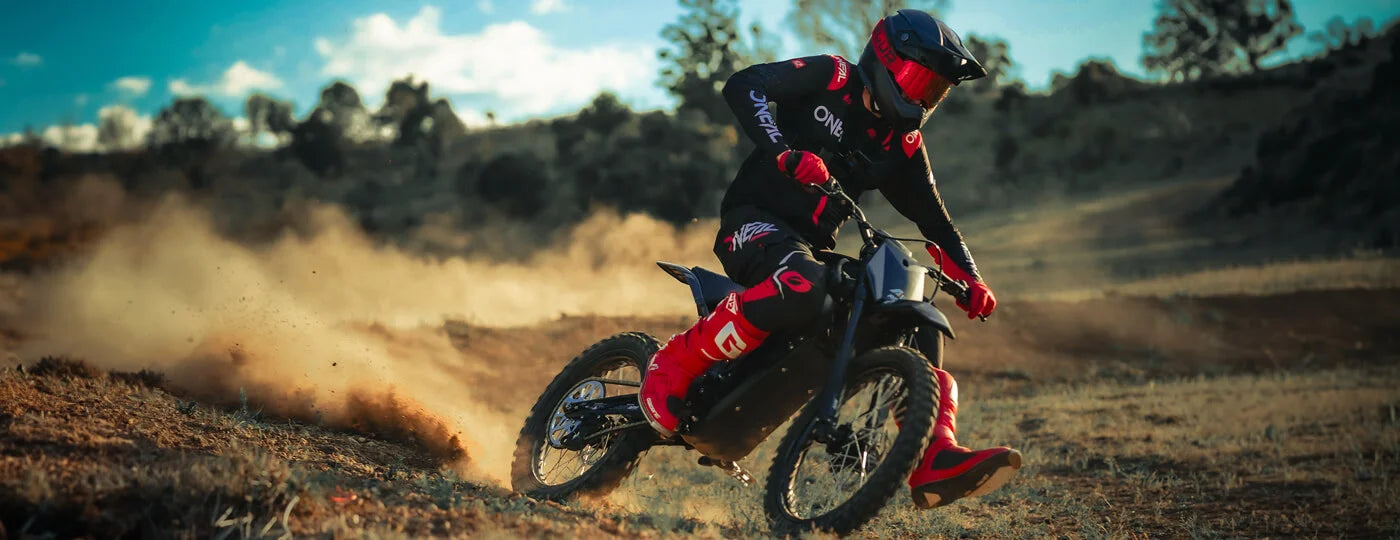
Can Electric Dirt Bikes Replace Gas Motorcycles?
The question of whether electric dirt bikes can fully replace gas motorcycles is no longer theoretical. In 2026, electric dirt bikes have evolved far beyond novelty machines and are now legitimate competitors to internal combustion motorcycles in many riding environments. With rapid advancements in battery technology, motor efficiency, electronics, and chassis design, electric dirt bikes are forcing riders, manufacturers, and regulators to rethink what off‑road riding looks like in the future.
However, replacement does not mean domination in every category. The real answer depends on how and where riders use their bikes. This guide takes a realistic, experience‑based look at whether electric dirt bikes can truly replace gas motorcycles, where they already outperform them, and where gas bikes still maintain an advantage.
The Evolution of Electric Dirt Bikes
Early electric dirt bikes were limited by weak motors, short range, and inconsistent power delivery. They were often marketed as beginner or youth bikes and rarely taken seriously by experienced riders. That perception has changed dramatically.
Modern electric dirt bikes now feature:
- High‑output motors capable of rivaling 250cc–450cc gas bikes
- Advanced lithium‑ion battery systems
- Refined throttle mapping and traction control
- Motorcycle‑grade suspension and brakes
These improvements have shifted electric dirt bikes from “alternative” machines to purpose‑built performance tools.
Power Delivery: Electric vs Gas
One of the most noticeable differences between electric dirt bikes and gas motorcycles is how power is delivered. Gas engines rely on RPM buildup, clutch engagement, and gear selection to access power. Electric motors deliver torque instantly.
Instant Torque Advantage
Electric dirt bikes provide full torque from zero RPM, allowing riders to:
- Climb technical terrain more easily
- Maintain traction at low speeds
- Accelerate without shifting gears
This makes electric bikes exceptionally effective in tight trails, rock gardens, and urban riding environments.
Gas Engine Power Characteristics
Gas motorcycles still offer advantages in sustained high‑speed riding and long‑distance power delivery. Their ability to maintain performance as long as fuel is available remains a key strength.
Maintenance and Ownership Reality
Maintenance is one of the strongest arguments in favor of electric dirt bikes replacing gas motorcycles. Internal combustion engines require frequent servicing to remain reliable and competitive.
Electric dirt bikes eliminate or drastically reduce:
- Oil changes
- Valve adjustments
- Fuel system maintenance
- Engine rebuilds
Most routine maintenance on electric dirt bikes involves brakes, chains, tires, and suspension — the same components found on gas bikes.
Over time, this translates into lower ownership costs and less downtime.
Noise, Access, and Where You Can Ride
Noise regulations are one of the biggest threats to gas motorcycles. Many riding areas face increasing restrictions due to sound complaints and environmental concerns.
Electric dirt bikes operate at a fraction of the noise level, making them suitable for:
- Noise‑restricted trails
- Private property riding
- Urban and suburban areas
- Training facilities
This alone has allowed electric dirt bikes to replace gas motorcycles in many real‑world riding scenarios.
Range and Refueling: The Biggest Limitation
Despite major advancements, range remains the most significant limitation preventing electric dirt bikes from fully replacing gas motorcycles.
Most electric dirt bikes offer:
- 1–3 hours of aggressive trail riding
- Longer range in eco or trail modes
- Charging times between 2–6 hours
Gas motorcycles still dominate long‑distance and remote riding environments due to rapid refueling and fuel availability.
Performance Consistency Over Time
Electric dirt bikes deliver consistent performance until the battery reaches lower charge levels. Gas motorcycles maintain consistent output as long as fuel is available, regardless of ride duration.
This difference matters for:
- Endurance racing
- Multi‑hour trail systems
- Remote off‑grid riding
In shorter, high‑intensity sessions, electric bikes often feel superior.
Cost Comparison: Electric vs Gas
Upfront costs for electric dirt bikes can be higher than comparable gas models. However, long‑term ownership tells a different story.
Electric dirt bikes save money through:
- Elimination of fuel costs
- Reduced maintenance
- Fewer replacement parts
For many riders, total cost of ownership becomes competitive or cheaper over several years.
Where Electric Dirt Bikes Already Replace Gas Motorcycles
In many real‑world riding scenarios, electric dirt bikes have already replaced gas motorcycles—not as a future possibility, but as a practical reality.
Electric dirt bikes are now the better choice for:
- Trail riding in noise‑restricted areas
- Private property and backyard riding
- Training and skill development
- Youth and beginner riders
- Urban and suburban environments
Many riders making the transition start with trail‑focused or high‑torque models designed to match traditional gas performance while offering quieter operation and lower maintenance.
Where Gas Motorcycles Still Hold the Advantage
Despite rapid progress, electric dirt bikes cannot yet fully replace gas motorcycles in every category.
Gas bikes remain superior for:
- Long‑distance trail systems
- Remote backcountry riding
- Multi‑day off‑grid adventures
- Endurance racing
The ability to refuel in minutes rather than hours is a critical advantage in these environments.
Electric vs Gas: Side‑by‑Side Comparison
| Category | Electric Dirt Bikes | Gas Motorcycles |
|---|---|---|
| Power Delivery | Instant torque | RPM‑dependent |
| Noise | Very low | Loud |
| Maintenance | Minimal | Frequent |
| Range | Limited by battery | Extended with fuel |
| Ease of Use | Beginner‑friendly | Skill‑dependent |
Who Can Replace Gas Motorcycles With Electric?
Electric dirt bikes can realistically replace gas motorcycles for:
- Recreational trail riders
- New and intermediate riders
- Riders prioritizing low maintenance
- Riders affected by noise restrictions
- Families and youth riders
For riders considering the switch, choosing the right model matters. Power output, battery size, suspension quality, and intended riding environment all play a role in determining whether an electric dirt bike can fully replace a gas motorcycle.
Browse High‑Performance Electric Dirt Bikes at AmpedSportsman →
The Verdict: Replacement or Coexistence?
Electric dirt bikes are not yet a universal replacement for gas motorcycles, but they have already replaced them in a large and growing portion of the off‑road world.
Riders who value simplicity, low maintenance, and modern performance often find that electric dirt bikes meet or exceed their expectations when compared to gas motorcycles.
See Electric Dirt Bikes Built for Real Riders →
As battery technology improves and charging infrastructure expands, the remaining gaps will continue to shrink. Rather than a complete takeover, the future of off‑road riding is likely a coexistence where electric and gas bikes serve different purposes.
For many riders in 2026, the question is no longer if electric dirt bikes can replace gas motorcycles—but whether they still need gas at all.
Frequently Asked Questions
Can electric dirt bikes fully replace gas motorcycles?
They can replace gas bikes in many riding scenarios, but gas motorcycles still dominate long‑distance and remote riding.
Are electric dirt bikes powerful enough?
Yes. Many modern electric dirt bikes match or exceed the torque of traditional gas motorcycles.
Do electric dirt bikes cost less to own?
Over time, lower maintenance and fuel savings often make electric dirt bikes cheaper to own.