
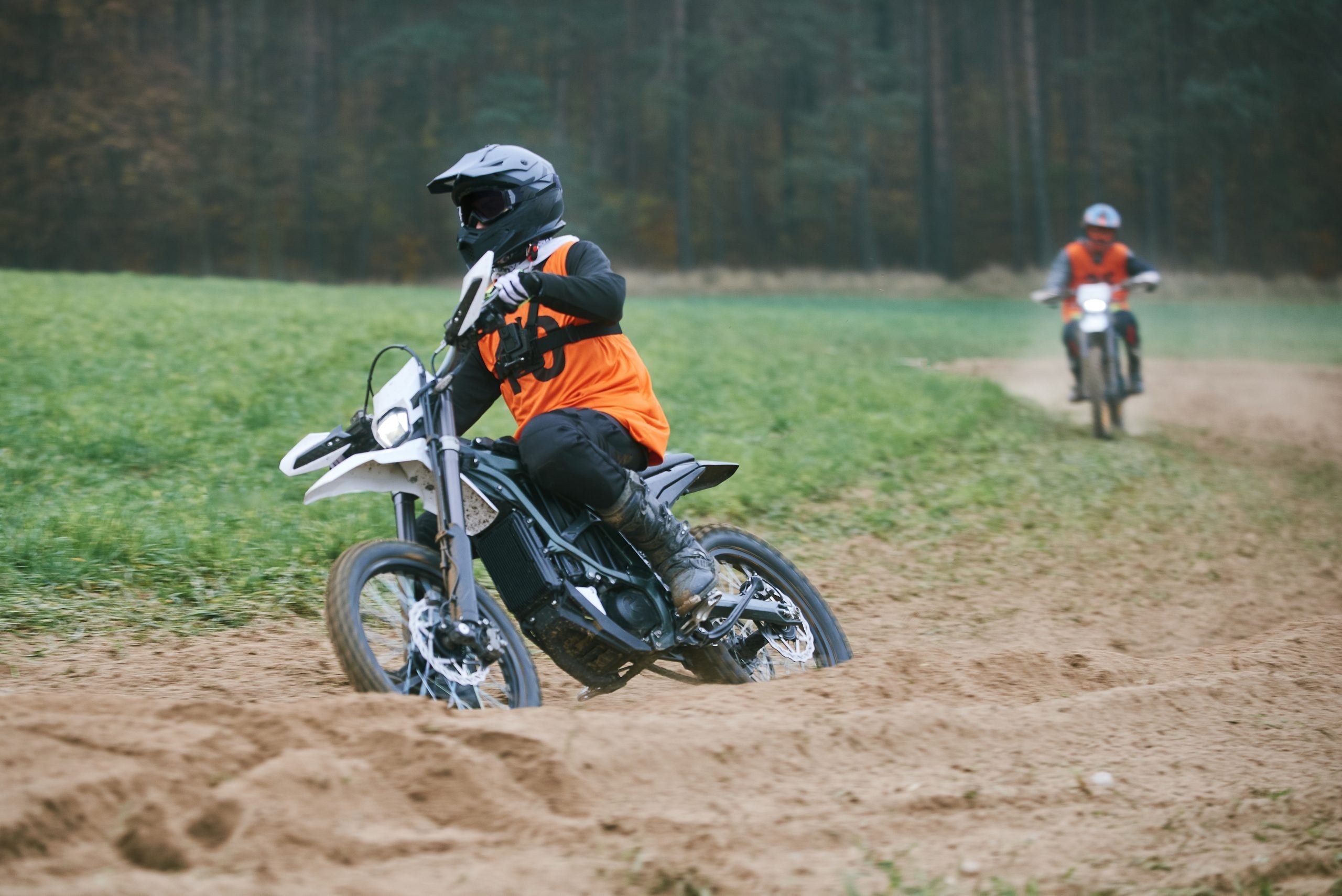
Are Electric Dirt Bikes the Future of Off‑Road Riding?
Off‑road riding has always been about freedom, performance, and pushing boundaries. For decades, gas‑powered dirt bikes dominated trails, tracks, and backcountry terrain. But in recent years, a powerful shift has begun. Electric dirt bikes are no longer experimental machines or novelty toys — they are quickly becoming serious contenders for the future of off‑road riding.
In 2026, electric dirt bikes are faster, more capable, and more reliable than ever before. Riders who once dismissed them due to limited range or lack of power are now reconsidering as electric models rival — and in some cases outperform — traditional gas dirt bikes. This raises an important question for riders, manufacturers, and the entire powersports industry: are electric dirt bikes truly the future of off‑road riding?
This in‑depth guide explores the evolution of electric dirt bikes, how they compare to gas models, why adoption is accelerating, and what the future holds for off‑road riding. Whether you are a trail rider, motocross enthusiast, or recreational off‑roader, this article will help you understand where the industry is heading and whether electric dirt bikes are worth embracing now.
The Evolution of Electric Dirt Bikes
Electric dirt bikes did not become competitive overnight. Early models struggled with limited battery capacity, weak motors, and poor durability. These first‑generation electric bikes were often marketed toward children or casual riders and could not compete with gas dirt bikes in demanding off‑road environments.
Over the past decade, rapid advancements in lithium battery technology, motor efficiency, and power electronics have completely changed the landscape. Modern electric dirt bikes now feature:
- High‑output brushless motors
- Advanced motor controllers with customizable power modes
- High‑density lithium battery packs
- Improved suspension and frame geometry
- Expanding aftermarket and upgrade support
Brands like Surron, Talaria, and 79Bike helped accelerate adoption by offering electric dirt bikes that combine strong performance with reasonable pricing. These bikes proved that electric power could handle real off‑road abuse.
Electric Dirt Bikes vs Gas Dirt Bikes: Core Differences
To understand whether electric dirt bikes are the future, it’s important to compare them directly with gas‑powered dirt bikes across key performance and ownership factors.
Power Delivery and Acceleration
Electric dirt bikes deliver instant torque. The moment the throttle is twisted, full power is available. This creates explosive acceleration and excellent control in technical terrain. Gas dirt bikes, by comparison, rely on RPM, clutch engagement, and gear selection to reach peak power.
For off‑road riding, instant torque offers several advantages:
- Better hill climbing
- Smoother control in tight trails
- Less rider fatigue
Noise and Environmental Impact
Noise is one of the biggest barriers facing off‑road riding today. Trail closures and land‑use restrictions often stem from noise complaints. Electric dirt bikes are dramatically quieter than gas bikes, which opens the door to more riding locations and longer riding sessions.
Lower noise and zero emissions also make electric dirt bikes more appealing to land managers and local communities.
Performance Capabilities of Modern Electric Dirt Bikes
One of the most common misconceptions is that electric dirt bikes lack performance. In reality, modern electric models are capable of impressive speeds, torque, and trail dominance.
Top Speed and Power Output
Many adult electric dirt bikes in 2026 offer top speeds ranging from 45 to over 60 mph. While top speed matters less in off‑road riding, sustained power and torque delivery are where electric bikes shine.
Torque Advantage Off‑Road
Electric motors produce maximum torque at zero RPM. This gives electric dirt bikes a clear advantage in:
- Rock crawling
- Steep inclines
- Loose terrain
- Technical single‑track trails
For many riders, electric power actually improves confidence and control in challenging environments.
Battery Technology and Range Reality
Battery technology is the heart of every electric dirt bike and one of the most discussed topics among buyers.
Battery Capacity and Real‑World Range
Manufacturers often advertise ideal range numbers, but real‑world riding conditions matter. Range depends on terrain, rider weight, speed, and riding style.
- Light trail riding: 30–60 miles
- Mixed off‑road use: 20–40 miles
- Aggressive riding: 15–25 miles
While gas bikes still win in total range, most riders do not ride continuously for hours without breaks. For the majority of off‑road sessions, electric range is more than sufficient.
Maintenance and Long‑Term Ownership
One of the strongest arguments for electric dirt bikes is reduced maintenance. Gas dirt bikes require frequent oil changes, valve checks, fuel system maintenance, and eventual engine rebuilds.
Electric dirt bikes eliminate many of these requirements. Routine maintenance usually includes:
- Chain and sprocket care
- Brake pads and fluid
- Tires
- Suspension servicing
Over several years, electric dirt bike owners typically spend significantly less on maintenance and repairs.
Cost Comparison: Electric vs Gas Over Time
Although electric dirt bikes often cost more upfront, long‑term ownership tells a different story.
- No fuel costs
- Lower maintenance expenses
- Fewer mechanical failures
When ownership costs are calculated over three to five years, electric dirt bikes often become the more affordable option.
Trail Access, Land Use, and the Future of Riding
Access to off‑road riding areas is becoming increasingly restricted. Noise and emissions are two of the most common reasons for trail closures.
Electric dirt bikes offer a potential solution. Their quiet operation makes them more acceptable in shared‑use areas and environmentally sensitive regions. Many industry experts believe that electric bikes may help preserve off‑road riding opportunities in the future.
Who Should Consider an Electric Dirt Bike?
- Trail riders seeking quiet access
- Riders who want low maintenance
- Urban riders with limited storage or fueling options
- Off‑road enthusiasts interested in future‑proof technology
Explore Electric Dirt Bikes at AmpedSportsman →
How Major Manufacturers Are Shifting Toward Electric
The transition toward electric off-road motorcycles is not limited to startups or niche brands. Major powersports manufacturers are actively investing in electric research, development, and production. This shift signals that electric dirt bikes are not a temporary trend but a long-term direction for the industry.
Large manufacturers recognize several unavoidable realities:
- Stricter emissions regulations worldwide
- Increasing pressure from environmental agencies
- Rising fuel and maintenance costs for consumers
- Growing demand for quieter recreational vehicles
As battery costs continue to fall and energy density improves, electric dirt bikes become easier to produce at scale. This allows manufacturers to offer competitive pricing while maintaining strong profit margins.
Motocross, Enduro, and Competitive Riding
One of the last frontiers for electric dirt bikes is competitive racing. While gas bikes still dominate professional motocross and enduro events, electric bikes are rapidly closing the gap.
Advantages in Competitive Settings
- Consistent power delivery
- No clutch fade
- No performance loss due to altitude
- Reduced rider fatigue
Electric bikes also allow for software-based tuning, enabling riders to adjust power curves for specific tracks or conditions.
Current Limitations in Racing
Battery endurance remains the primary limitation in long-duration races. However, improvements in fast charging, swappable batteries, and higher-capacity packs are actively addressing this challenge.
Challenges Electric Dirt Bikes Still Face
Despite their advantages, electric dirt bikes are not without limitations. Understanding these challenges is important when evaluating whether they truly represent the future of off-road riding.
Range Anxiety
Although most riding sessions fall well within electric range limits, some riders still prefer the unlimited refueling capability of gas bikes for extended backcountry trips.
Charging Infrastructure
Unlike gas stations, charging infrastructure in remote areas is limited. This makes long-distance trail exploration more difficult for electric riders.
Upfront Cost
High-quality electric dirt bikes often cost more initially. However, this gap continues to shrink as technology matures.
Battery Technology: What the Next 5 Years Will Bring
The future of electric dirt bikes depends heavily on battery innovation. Industry experts predict major improvements in the following areas:
- Higher energy density
- Faster charging times
- Longer battery lifespan
- Improved thermal management
Solid-state batteries and next-generation lithium technologies could dramatically increase range while reducing weight. These advancements would remove one of the final barriers preventing electric dirt bikes from fully replacing gas models.
Electric Dirt Bikes and Trail Access Laws
As land managers search for ways to reduce environmental impact, electric dirt bikes may gain preferential access to certain trail systems. Their quiet operation and lack of emissions make them more compatible with shared-use trails and conservation areas.
In the future, it is likely that some riding areas will allow electric-only access while restricting gas-powered vehicles.
Who Will Still Prefer Gas Dirt Bikes?
Even as electric dirt bikes continue to improve, gas bikes will not disappear overnight. Certain riders will continue to prefer gas power for specific use cases:
- Multi-day backcountry expeditions
- Remote riding with no charging access
- Traditional motocross racing formats
However, these use cases represent a shrinking portion of the overall off-road riding market.
The Role of Aftermarket and Custom Builds
The aftermarket ecosystem surrounding electric dirt bikes is expanding rapidly. Riders can now customize nearly every aspect of their bike, from battery capacity to suspension geometry.
This flexibility allows electric dirt bikes to evolve with the rider, extending their useful lifespan and improving resale value.
Browse Electric Dirt Bike Upgrades and Models →
Final Verdict: Are Electric Dirt Bikes the Future of Off‑Road Riding?
Electric dirt bikes are not a passing trend — they represent a fundamental shift in how off-road machines are designed, used, and maintained. While gas dirt bikes still dominate certain niches, electric models are rapidly becoming the preferred choice for trail riders, recreational users, and environmentally conscious enthusiasts.
As battery technology improves, costs decrease, and trail access becomes more restricted for noisy vehicles, electric dirt bikes are positioned to lead the future of off-road riding. For many riders in 2026 and beyond, the question is no longer if electric dirt bikes will take over — but when.
Frequently Asked Questions
Are electric dirt bikes powerful enough for serious off-road riding?
Yes. Modern electric dirt bikes offer instant torque and strong acceleration, making them highly capable on trails, hills, and technical terrain.
How long do electric dirt bike batteries last?
Most lithium batteries last between 800 and 1,200 charge cycles, which typically equals 3–5 years of regular riding.
Do electric dirt bikes require less maintenance than gas bikes?
Yes. Electric dirt bikes eliminate oil changes, engine rebuilds, and fuel system maintenance.
Are electric dirt bikes allowed on trails?
Trail access depends on local regulations, but electric bikes are often permitted in more areas due to lower noise levels.
Will electric dirt bikes replace gas bikes completely?
Over time, electric dirt bikes are expected to dominate most off-road riding segments, though gas bikes may remain in niche use cases.